

💧 ISO 10500:2012 Certification: Ensuring Safe and Quality Drinking Water
🌍 Overview
💧 Water is one of the most essential resources required for human life, health, and sustainable development. Access to safe and clean drinking water is critical for preventing waterborne diseases and protecting public health. Water quality can be affected by several physical, chemical, and microbiological contaminants, making regular monitoring and testing extremely important.
🏥 Various government initiatives and development programmes have focused on improving drinking water quality and increasing public awareness. Contaminants such as excessive iron, fluoride, salinity, nitrate, and arsenic can negatively affect the quality of drinking water when present beyond acceptable limits.
🧪 Effective water-quality management requires systematic testing, qualified personnel, suitable laboratory facilities, appropriate testing methods, and proper monitoring procedures. Organizations involved in water supply, treatment, testing, and management therefore need reliable processes to ensure that drinking water meets applicable quality requirements.

📘 What is ISO 10500:2012?
📋 ISO 10500:2012 is an international standard concerning the quality of water intended for human consumption. It provides guidance and requirements related to the quality parameters that should be considered when assessing drinking water.
🔬 The standard emphasizes appropriate monitoring and testing of drinking water to help ensure that water supplied for human consumption is safe and suitable. Proper laboratory testing, competent personnel, suitable equipment, and reliable analytical procedures are important components of an effective drinking-water quality management system.
- 💧 Monitoring drinking-water quality
- 🧪 Testing relevant water-quality parameters
- 🔬 Maintaining suitable laboratory practices
- 👨🔬 Ensuring competent testing personnel
- 📊 Maintaining accurate testing records
- 🛡️ Supporting safe water management practices

🎯 Importance of Drinking Water Quality
🌱 Maintaining drinking-water quality is essential for protecting communities and supporting healthier living conditions. Poor-quality water can contain contaminants that may create significant health and environmental concerns.
- 💧 Provides safer drinking water
- 🦠 Helps control microbiological contamination
- 🧪 Supports monitoring of chemical contaminants
- 🏥 Helps reduce risks associated with waterborne diseases
- 📊 Encourages systematic water-quality monitoring
- 👨👩👧👦 Supports public health protection
- 🌍 Promotes responsible water-resource management

🧪 Key Water Quality Parameters
🔍 Drinking-water quality assessment involves monitoring different parameters to determine whether water is suitable for its intended use. Depending on the applicable requirements and testing programme, these may include physical, chemical, and microbiological characteristics.
- 🧪 Chemical parameters
- 🦠 Microbiological parameters
- 💧 Physical characteristics
- ⚗️ Fluoride levels
- 🔩 Iron concentration
- ☣️ Arsenic levels
- 🧂 Salinity
- 🌱 Nitrate concentration
- 🌡️ Other relevant water-quality indicators

🔬 Role of Laboratories in Water Quality Testing
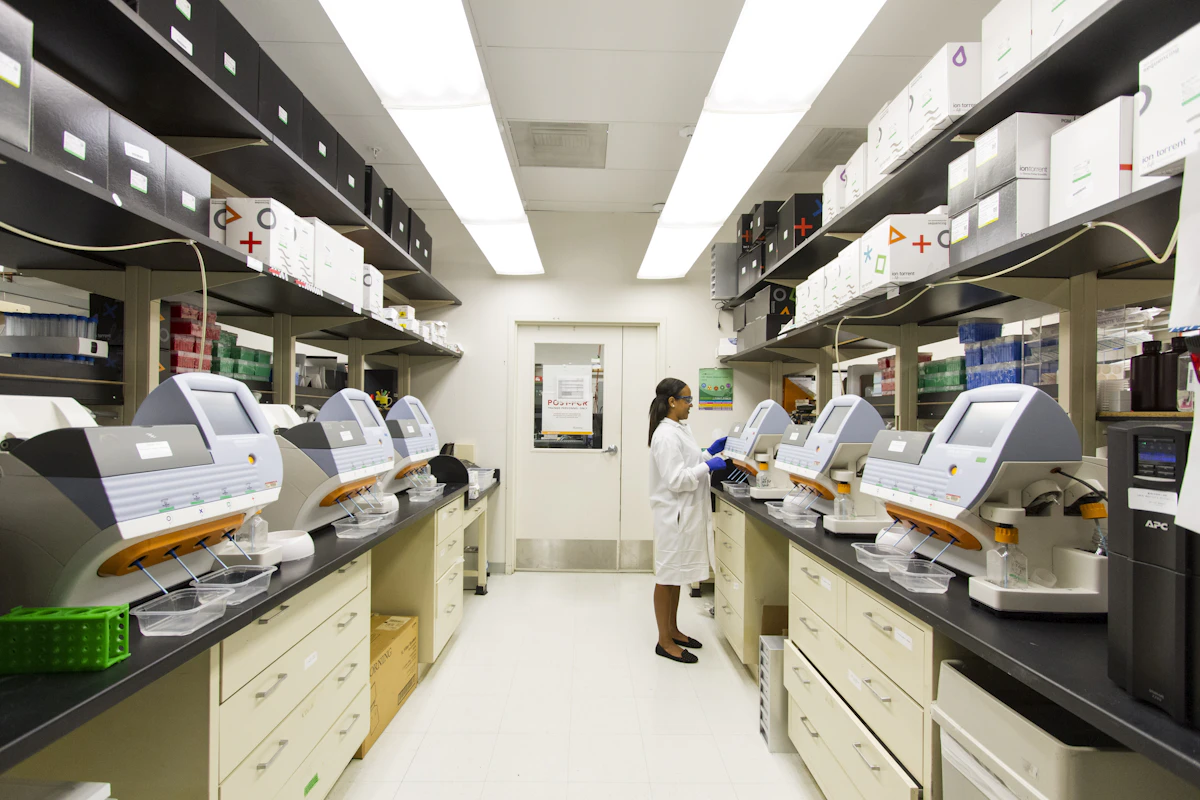
🏢 Laboratories play an important role in determining the quality of drinking water. Reliable testing requires suitable infrastructure, calibrated equipment, appropriate chemicals and reagents, validated testing methods, and trained personnel.
- 🧑🔬 Qualified laboratory personnel
- 🔬 Appropriate testing equipment
- ⚙️ Suitable testing procedures
- 📏 Equipment calibration and maintenance
- 🧪 Appropriate chemicals and reagents
- 📋 Accurate laboratory records
- 📊 Reliable analysis and reporting
🔄 ISO 10500:2012 Certification Process
📋 Organizations seeking to establish effective drinking-water quality practices can follow a structured approach involving assessment, implementation, documentation, testing, and evaluation.
- 📝 Initial Application & Requirement Review
- 🔍 Gap Assessment
- 📊 Water Quality Risk Assessment
- 🧪 Laboratory & Testing Review
- 📑 Documentation & Procedure Development
- ⚙️ Implementation of Required Controls
- 👨🏫 Personnel Training
- 🔎 Internal Evaluation
- 🏢 Certification / Assessment
- 🏆 Certification & Continual Improvement
💧 ISO 10500:2012 Certification Process

🏭 Who Can Benefit from ISO 10500:2012?
- 🚰 Drinking Water Suppliers
- 🏢 Water Treatment Organizations
- 💧 Water Supply Authorities
- 🔬 Water Testing Laboratories
- 🏭 Industrial Water Management Facilities
- 🏘️ Community Water Supply Systems
- 🏥 Healthcare & Institutional Facilities
- 🏨 Hotels and Hospitality Organizations
- 🏛️ Government and Public Water Bodies

📈 Benefits of Implementing ISO 10500:2012
- 💧 Improved drinking-water quality management
- 🛡️ Better control of water-quality risks
- 🔬 Improved testing and monitoring practices
- 📋 Better documentation and record keeping
- 👨🔬 Improved laboratory competency
- 📊 More systematic quality evaluation
- 🤝 Increased stakeholder confidence
- 🌍 Support for responsible water management
- 📈 Continual improvement of water-quality practices
📌 Conclusion
💧 Safe drinking water is essential for public health and sustainable development. ISO 10500:2012 provides an important framework for considering drinking-water quality and establishing appropriate monitoring and testing practices.
🔬 By implementing suitable water-quality controls, maintaining competent testing facilities, documenting processes, and regularly monitoring relevant parameters, organizations can strengthen their approach to drinking-water quality and build greater confidence among customers, communities, and stakeholders.

🤝 Why Choose Ascent Inspecta?
🏢 Ascent Inspecta provides professional ISO consulting and certification advisory services to organizations seeking to improve their management systems and achieve recognized standards.
👨💼 Our experienced consultants assist organizations with gap analysis, documentation, implementation guidance, employee training, internal audits, assessment preparation, and certification support.
- 🔍 Gap Analysis & Assessment
- 📑 Documentation & Implementation Support
- 👨🏫 Employee Training
- 🔬 Laboratory & Quality-System Guidance
- 📋 Internal Audit Support
- 🏆 Certification Assistance
- 🌍 International Standards Consulting
- 🤝 Continual Improvement Support

📞 Get in Touch
Have questions about ISO 10500:2012 or drinking-water quality management? Our experts are available to assist you with your certification and compliance requirements.
📱 Call: +91-9867-180-395
📧 Email: info@ascentinspecta.com