

CE Marking
Professional CE Marking consultancy for product conformity, technical documentation and European market access.
 >
>
CE Marking – European Conformity
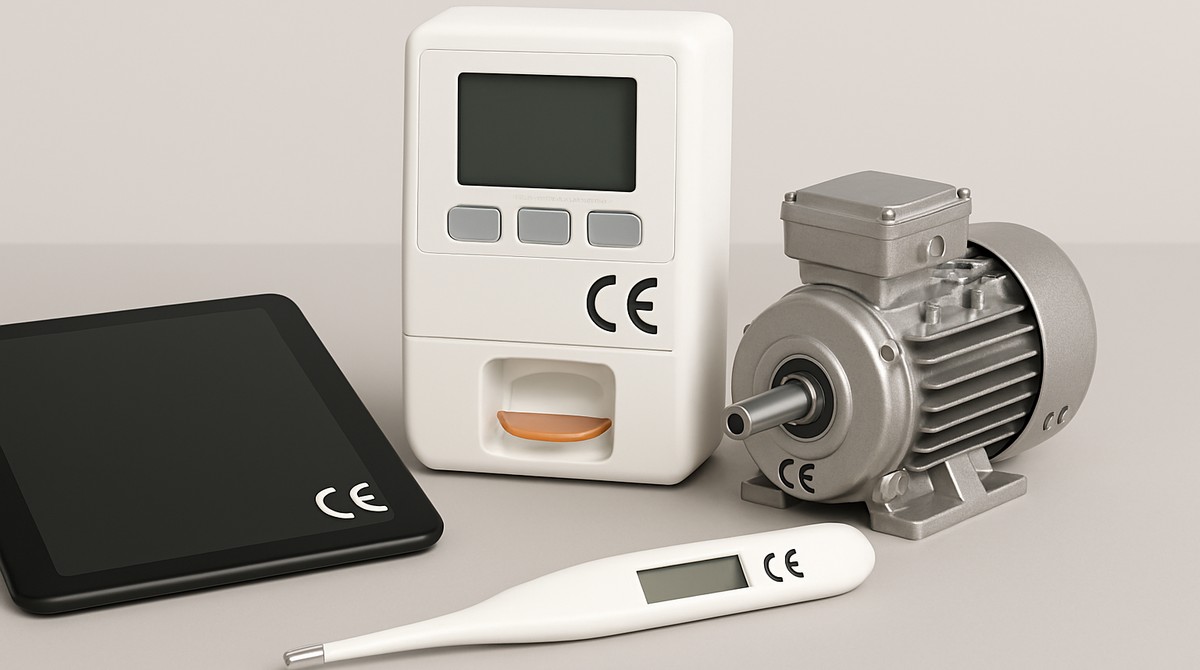
CE marking is used for products covered by specific European Union harmonisation legislation. By affixing the CE marking, the manufacturer declares that the product complies with the applicable EU requirements and has completed the required conformity assessment procedure.
CE marking can apply to a wide range of products including machinery, electrical and electronic equipment, toys, medical devices, personal protective equipment, measuring equipment and other regulated products.
 >
>
What is CE Marking?
The letters CE refer to Conformité Européenne. The CE marking indicates that a product has been assessed against the applicable EU product requirements that require CE marking.
CE marking is not a universal certificate issued by a central EU authority. The manufacturer is responsible for determining the applicable legislation and completing the required conformity assessment.
Manufacturers are responsible for identifying applicable requirements, preparing technical documentation, issuing the EU Declaration of Conformity where required and affixing the CE marking.
Products That May Require CE Marking
CE marking applies only to products covered by EU legislation that specifically requires the marking.
 >
>
Electrical & Electronic Products
Electrical and electronic equipment may be subject to European requirements concerning electrical safety, electromagnetic compatibility and other applicable rules.
>
Machinery
Machinery may require conformity assessment against applicable European requirements relating to safety, design and operation.
 >
>
Medical Devices
Medical devices are subject to specific European regulatory requirements and may require third-party conformity assessment depending on classification.
 >
>
Personal Protective Equipment
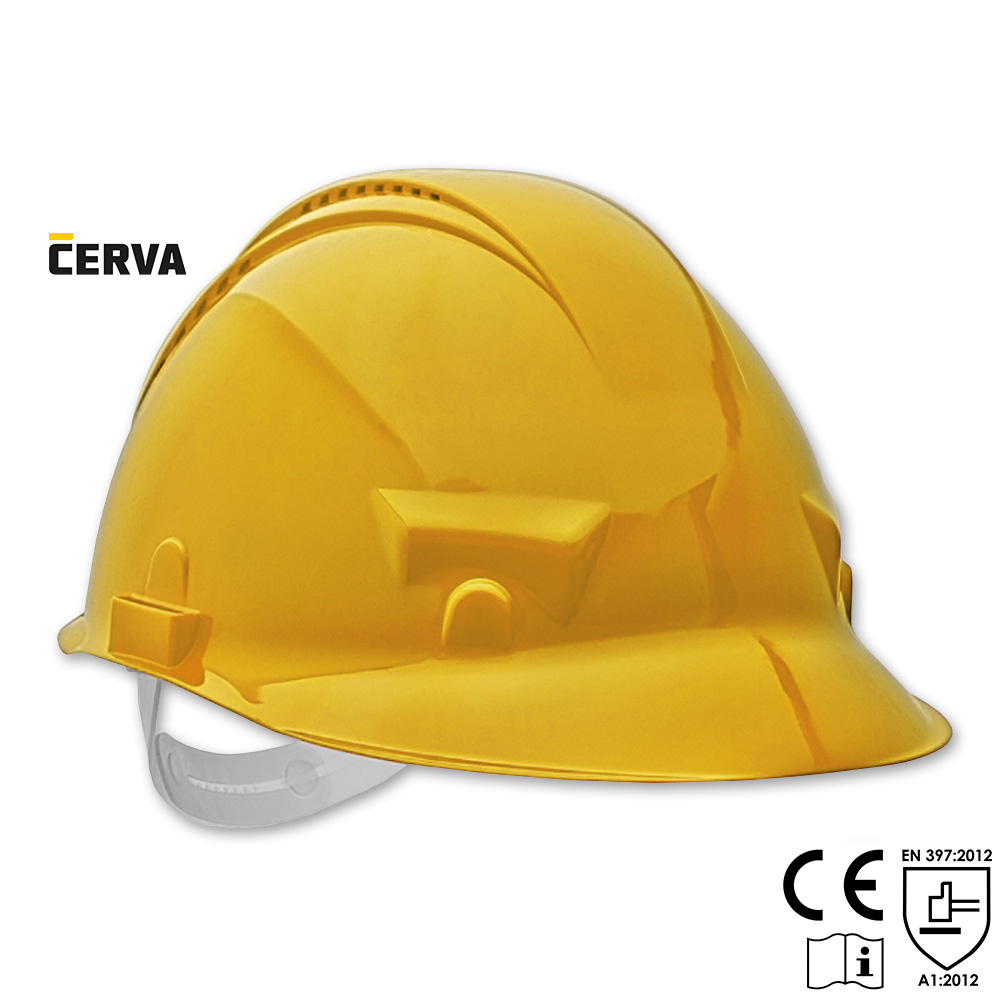
Safety helmets and other personal protective equipment may require CE marking following the applicable conformity assessment procedure.
 >
>
Toys & Children's Products
Toys covered by EU product legislation must meet the applicable safety requirements before CE marking is affixed.
 >
>
Measuring Equipment
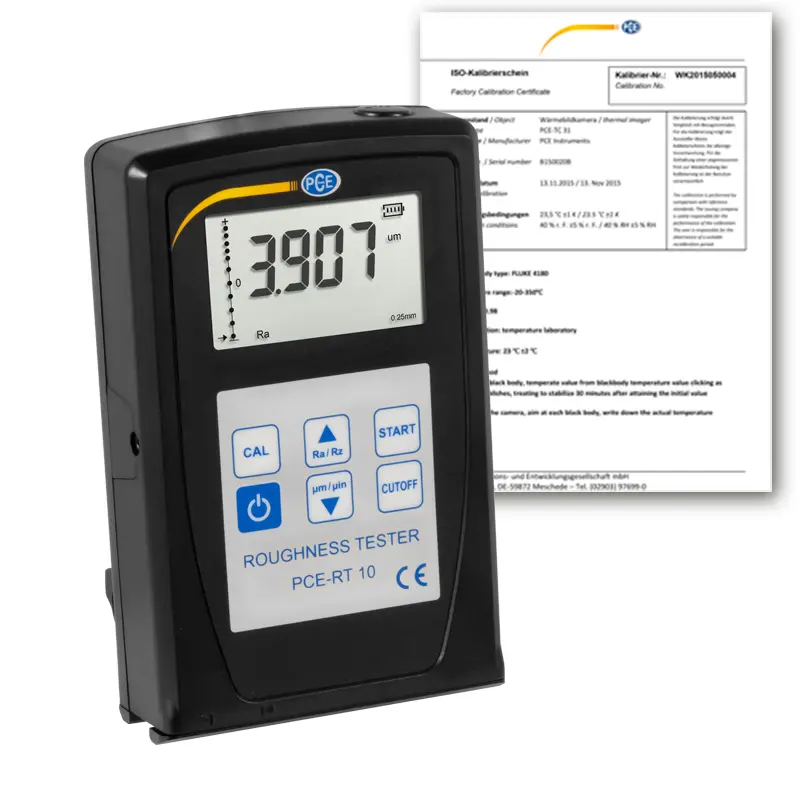
Certain weighing and measuring instruments fall under European legislation requiring specific conformity assessment procedures.
Why is CE Marking Important?
CE marking demonstrates that the manufacturer has addressed the applicable EU product requirements. It supports the legal placement of covered products on the EU market when the applicable conformity requirements have been satisfied.
- Supports compliance with applicable EU legislation.
- Helps demonstrate conformity with relevant product requirements.
- Supports access to the European market.
- Provides structured technical compliance documentation.
- Helps establish a controlled product compliance process.
 >
>
CE Marking Assessment Process
The exact process varies according to the product and applicable EU legislation. A typical compliance pathway includes the following stages.
 >
>
Identify Requirements
Identify the applicable EU directives, regulations and harmonised standards for the product.
>
Product Assessment
Review the product design, intended use, risks and applicable technical requirements.
 >
>
Testing & Assessment
Conduct applicable testing and determine whether independent notified-body assessment is required.
>
Technical Documentation
Compile technical information, test evidence, risk assessments and other required compliance documentation.
 >
>
EU Declaration of Conformity
Prepare and sign the EU Declaration of Conformity where required by the applicable legislation.
 >
>
Affix CE Marking
After completing the required conformity procedure, affix the CE marking in accordance with applicable requirements.
Technical Documentation & Compliance Evidence
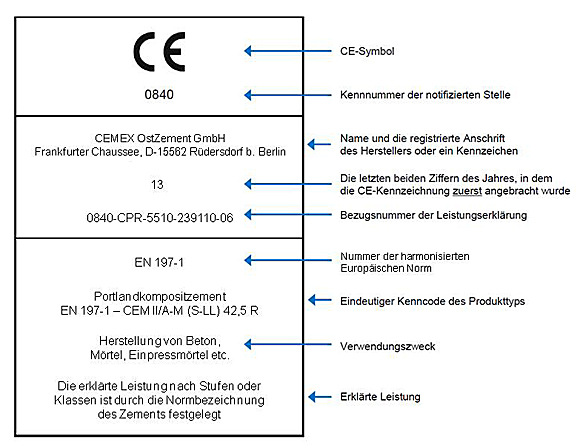
Appropriate documentation provides evidence that the product has been assessed against the applicable requirements.
>
Technical File
Product specifications, drawings, calculations, risk assessments, testing and supporting technical information.
>
Test Reports
Applicable test reports and assessment records supporting conformity with relevant product requirements.
>
EU Declaration
Formal declaration by the manufacturer accepting responsibility for conformity with applicable EU legislation.
>
CE Marking
The CE marking is affixed visibly, legibly and indelibly according to the applicable requirements.
Benefits of Proper CE Compliance
>
European Market Access
Supports market access for products covered by applicable European CE-marking legislation.
>
Regulatory Compliance
Helps businesses establish a structured approach to product conformity.
>
Product Safety
Supports compliance with applicable safety, health and environmental requirements.
>
Documented Evidence
Provides structured documentation demonstrating the product conformity assessment.
>
Business Confidence
A controlled compliance process can improve confidence among customers and business partners.
 >
>
Professional Support
Professional consultancy can help businesses navigate complex product conformity requirements.
>
CE Marking Consultancy Services
Ascent Inspecta provides professional consultancy support to manufacturers, suppliers, exporters and businesses seeking to understand and manage CE conformity requirements.
Our approach focuses on understanding the product, identifying applicable European requirements, supporting conformity assessment activities and organizing the documentation needed to demonstrate compliance.
Need Assistance with CE Marking?
Speak with Ascent Inspecta for professional consultancy support related to CE conformity and European product compliance.