
RC 14001 is a management-system standard associated with the American Chemistry Council's Responsible Care® program. It integrates environmental management with broader health, safety, security and responsible business practices relevant to the chemical industry.
The standard combines elements of an environmental management system with Responsible Care management-system requirements, helping organizations address environmental performance, employee safety, risk management, security and regulatory responsibilities in a coordinated manner.
RC 14001 provides organizations with a structured approach for identifying risks, controlling impacts, improving performance and supporting responsible operations.
Organizations operating in the chemical and related industries often manage complex environmental, health, safety and security risks.
RC 14001 can provide a structured management approach for identifying these risks and establishing processes to control them.
- 🔍 Systematic risk identification
- 🌱 Environmental responsibility
- 🦺 Occupational health and safety
- 🔐 Security management
- 📋 Regulatory compliance
- 🔄 Continual improvement
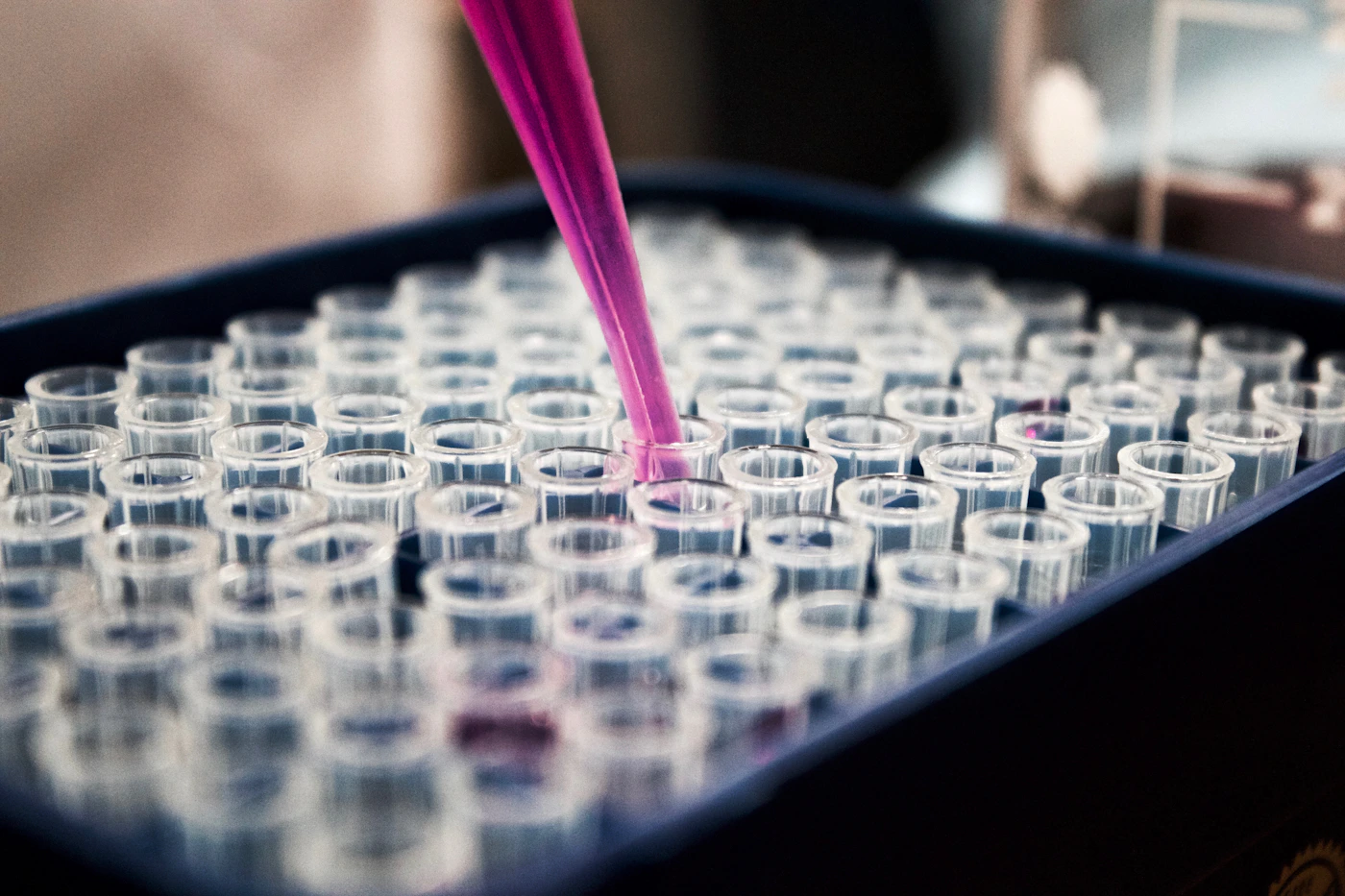

Environmental and safety compliance is particularly important for organizations involved in chemical manufacturing, storage, transportation and processing.
RC 14001 encourages organizations to identify potential environmental, health, safety and security hazards and establish appropriate controls.
Compliance
Support applicable legal and regulatory requirements.
Risk Control
Identify hazards and implement preventive controls.
Incident Prevention
Reduce the likelihood of environmental and safety incidents.
Environmental sustainability is increasingly important to businesses, regulators, customers, employees and communities.
RC 14001 supports organizations in developing systematic processes for improving environmental performance and responsible business practices.


A structured management system can help organizations formalize processes, establish responsibilities and identify opportunities for continual improvement.
Better environmental and safety controls can also reduce waste, prevent incidents, improve resource efficiency and minimize operational disruptions.
- ⚙️ Streamlined operational processes
- ♻️ Reduced waste
- ⚡ Improved energy efficiency
- 🦺 Improved workplace safety
- 📉 Reduced operational disruptions
- 📈 Improved performance monitoring
Organizations that demonstrate strong environmental, health, safety and responsible-business practices can strengthen their relationships with customers, suppliers, regulators and other stakeholders.
RC 14001 can support organizations seeking to demonstrate a structured commitment to responsible chemical-industry operations.
Brand Reputation
Demonstrate commitment to responsible operations and environmental stewardship.
Stakeholder Trust
Build confidence among customers, employees, communities and business partners.


RC 14001 brings together several important management areas relevant to responsible chemical-industry operations.
The environmental management element helps organizations systematically identify environmental aspects and impacts, establish objectives and monitor environmental performance.
- 🌍 Identify environmental aspects and impacts
- ♻️ Manage waste and resource consumption
- 💧 Protect water resources
- 🌫️ Control emissions
- ⚡ Improve energy performance
- 📊 Monitor environmental performance
- 🔄 Drive continual improvement


Chemical-industry operations can involve hazardous substances, complex equipment and high-risk processes. Protecting employees and contractors is therefore a critical organizational responsibility.
- 🦺 Workplace safety procedures
- 👨🏫 Employee safety training
- ⚠️ Hazard identification
- 🔎 Risk assessment
- 🚨 Emergency preparedness
- 📋 Incident investigation
Security is an important consideration for chemical facilities because organizations need to protect people, facilities, materials, information and supply chains.
Facility Security
Protect critical facilities and physical assets.
Information Security
Protect sensitive organizational information.
Supply Chain Security
Consider security risks throughout supply-chain operations.


Responsible Care emphasizes communication and engagement with communities that may be affected by chemical-industry operations.
Open communication can help organizations build trust, respond to concerns and demonstrate transparency regarding environmental, health and safety performance.
- 📢 Transparent communication
- 🏘️ Community awareness
- 🤝 Stakeholder engagement
- 🚨 Emergency communication
- 📊 Performance transparency
Organizations preparing for RC 14001 certification can follow a structured implementation and assessment approach.
1. Gap Analysis
Identify gaps in existing systems.
2. Implementation
Develop and implement the management system.
3. Internal Audit
Evaluate system effectiveness.
4. Certification
Complete the external assessment.
5. Improvement
Maintain and improve the system.


A typical certification journey includes preparation, system development, implementation, internal auditing, management review and an independent certification assessment.
RC 14001 should not be treated as a one-time certification exercise. Organizations should continuously evaluate performance, identify weaknesses and improve their environmental, health, safety and security management practices.

Ascent Inspecta provides professional consulting support for organizations seeking to strengthen their management systems, environmental performance, occupational health and safety practices and regulatory compliance.
Our experienced team helps organizations understand applicable requirements, identify gaps and establish practical systems for continual improvement.
RC 14001 provides organizations in the chemical and related industries with a structured approach to integrating environmental responsibility with health, safety, security and responsible business practices.
By implementing an effective management system, organizations can strengthen risk management, improve environmental performance, protect employees, support regulatory compliance and build stakeholder confidence.

📞 Start Your RC 14001 Journey
Ready to strengthen your environmental, health, safety and security management systems?
📱 Call: +91-9867-180-395
📧 Email: info@ascentinspecta.com
🧪 Responsible Industry. Safer Operations. Sustainable Growth.
RC 14001 Certification FAQ
What is RC 14001 certification? ↓
RC 14001 is a management system standard that combines Responsible Care® and ISO 14001 requirements, focusing on environmental, health, safety, and security (EHS&S) performance in the chemical industry.
Who needs RC 14001 certification? ↓
It is primarily for chemical manufacturers, suppliers, and organizations involved in the chemical supply chain that aim to enhance their EHS&S management systems.
How is RC 14001 different from ISO 14001? ↓
While ISO 14001 focuses solely on environmental management, RC 14001 integrates environmental, health, safety, and security aspects, incorporating Responsible Care® principles.
What are the benefits of RC 14001 certification? ↓
It improves regulatory compliance, enhances workplace safety, minimizes environmental impact, boosts stakeholder confidence, and demonstrates a company’s commitment to sustainable and responsible operations.
Is RC 14001 certification mandatory? ↓
No, it is a voluntary certification. However, many chemical companies adopt it to meet industry expectations and improve corporate sustainability.
What are the key requirements of RC 14001? ↓
Organizations must establish policies, conduct risk assessments, ensure regulatory compliance, implement safety and environmental controls, and continuously improve their EHS&S performance.
How can a company obtain RC 14001 certification? ↓
The company must develop an RC 14001-compliant management system, undergo an internal audit, and get certified by an accredited third-party certification body.
How long does RC 14001 certification last? ↓
Typically, certification is valid for three years, with surveillance audits conducted annually to ensure continued compliance.
What industries benefit from RC 14001 certification? ↓
Chemical manufacturing, pharmaceuticals, petrochemicals, and any industries handling hazardous materials benefit from RC 14001 implementation.
Can RC 14001 be integrated with other management systems? ↓
Yes, it can be integrated with ISO 9001 (Quality Management), ISO 45001 (Occupational Health & Safety), and ISO 14001 (Environmental Management) for a more comprehensive management approach.
Get in Touch! Ask us any question/query on +91-9867-180-395. We would be happy to answer your concerns. You can also drop an email at info@ascentinspecta.com