
Blog Details
ISO 55001:2024
Asset Management System – Requirements, Value Creation & Lifecycle Optimization
ISO 55001:2024 – Modern Asset Management
ISO 55001:2024 specifies requirements for establishing, implementing, maintaining and continually improving an asset management system. It helps organizations manage assets throughout their lifecycle while balancing performance, risk, cost and value.
The standard can be applied to organizations of different sizes and sectors and to a wide range of physical and non-physical assets.

What is ISO 55001:2024?
ISO 55001:2024 is the international standard for an Asset Management System (AMS). It provides a structured approach for organizations to realize value from their assets while managing risks and improving asset performance.
Asset management can cover physical infrastructure, machinery, equipment, facilities, information, technology and other assets that contribute to organizational objectives.
Why is ISO 55001:2024 Important?
Effective asset management helps organizations make informed decisions, improve reliability and maximize the value obtained from their assets.
Improved Performance
Monitor and improve asset performance to support organizational objectives and operational efficiency.
Risk Management
Identify and manage asset-related risks before they negatively affect operations.
Cost Optimization
Improve lifecycle decisions and control asset-related expenditure and operational costs.
Sustainability
Support responsible resource utilization and sustainable asset lifecycle management.
Key Updates in ISO 55001:2024
The 2024 edition introduces and revises several areas to strengthen asset management decision-making, planning, information management and continual improvement.
- Asset Management Decision-Making: Greater emphasis on connecting asset-related decisions with value and organizational objectives.
- Asset Management Objectives: Greater clarity around establishing objectives and aligning them with organizational needs.
- Planning: Stronger focus on providing the resources needed to achieve asset management objectives.
- Data & Information: Increased emphasis on the importance of reliable data and information in asset management.
- Predictive Action: Introduction of predictive action to help organizations respond proactively to change, risks and opportunities.

Core Elements of an Asset Management System
Organizations should establish a structured management system covering leadership, planning, support, operations, performance evaluation and improvement.
Asset Management Policy
Establish an asset management policy aligned with organizational direction and objectives.
Leadership
Demonstrate leadership, accountability and commitment to effective asset management.
Risk & Opportunity
Identify and evaluate asset-related risks and opportunities to support informed decisions.
Objectives & Planning
Establish measurable objectives and plans supported by appropriate resources.
Support & Competence
Ensure people, competence, communication and documented information support the system.
Performance Evaluation
Monitor, measure and evaluate asset and system performance.
Digitalization & Smart Asset Management
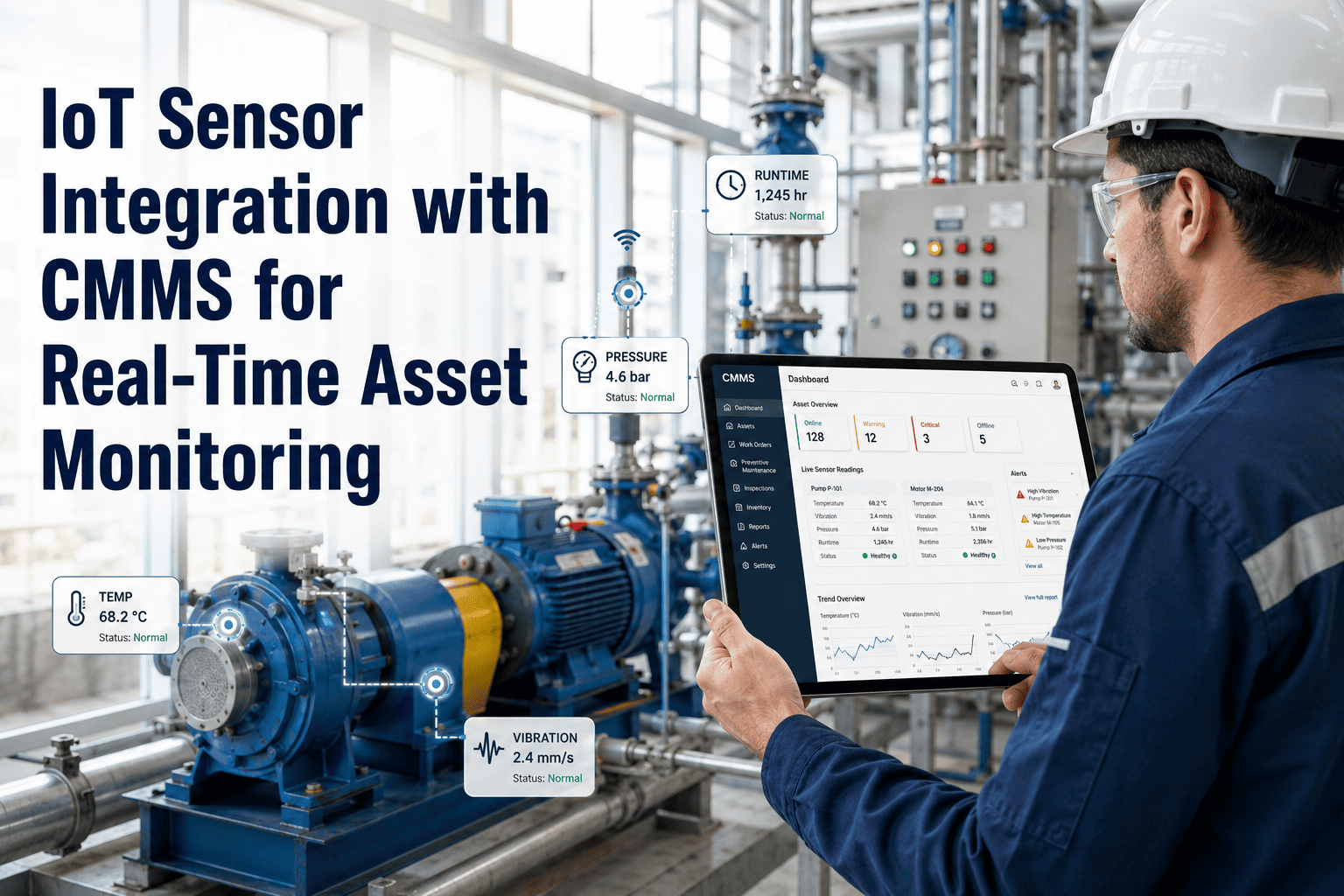
Modern asset management increasingly relies on digital technologies to monitor asset condition, collect data and support informed decision-making.
IoT Monitoring
Connected sensors can provide real-time information about asset condition.
AI & Analytics
Data analytics can support predictive and proactive asset management.
Asset Data
Reliable information supports better lifecycle decisions.
Predictive Maintenance
Proactive maintenance can help improve reliability and reduce unplanned downtime.
Benefits of ISO 55001:2024
A structured asset management system can help organizations improve performance, manage risk and make better lifecycle decisions.
Operational Efficiency
Improve asset utilization and operational effectiveness.
Financial Performance
Support informed investment and lifecycle cost decisions.
Reduced Asset Risks
Identify and manage risks associated with critical assets.
Sustainable Management
Encourage responsible and efficient use of resources throughout asset lifecycles.
Stakeholder Confidence
Demonstrate a systematic approach to managing organizational assets.
Continual Improvement
Establish processes for ongoing evaluation and improvement.
Managing Assets Throughout Their Lifecycle
ISO 55001 supports a lifecycle-based approach to asset management, helping organizations consider value, performance, risk and resources when making asset decisions.
Plan
Identify organizational needs and asset objectives.
Acquire
Make informed asset acquisition and investment decisions.
Operate
Manage assets to achieve required performance.
Maintain
Maintain asset reliability and manage risks.
Renew / Dispose
Evaluate replacement, renewal or disposal decisions.
Implementation & Certification Process

Gap Analysis
Assess existing asset management practices against ISO 55001:2024 requirements.
Implementation Planning
Develop an asset management roadmap, objectives, processes and required resources.
Training & Awareness
Develop employee awareness and competence related to asset management responsibilities.
Documentation
Establish required policies, processes, records and documented information.
Internal Audit
Evaluate system effectiveness and identify opportunities for improvement.
Certification Audit
Support preparation for the external certification audit conducted by an accredited certification body.
Why Ascent Inspecta?
Ascent Inspecta supports organizations in developing practical management systems aligned with applicable ISO requirements and business objectives.

Ready to Improve Your Asset Management System?
Build a structured asset management system, improve lifecycle performance and strengthen risk-based decision-making with professional consultancy support.
Comments
We'd love to hear your thoughts on ISO 55001:2024! Please leave your comments below: