
Blog Details
Transport & Logistics Certifications: Building Safer, Smarter & More Resilient Supply Chains
Strengthen transportation, warehousing, distribution and supply-chain security with structured certification and compliance practices designed for modern logistics operations.
Modern Transport & Logistics
In today’s fast-moving global economy, transport and logistics are at the heart of successful business operations. From pharmaceutical products and food to industrial goods and international shipments, organizations need reliable systems to ensure that products are stored, handled, transported and delivered safely.
Strong supply chain management, regulatory compliance and logistics security have therefore become essential for sustainable business growth.
The four important frameworks and practices highlighted here are GDP, GWP, ISO 28000 and C-TPAT. Together, they address product quality, warehousing, supply-chain security and international trade protection.
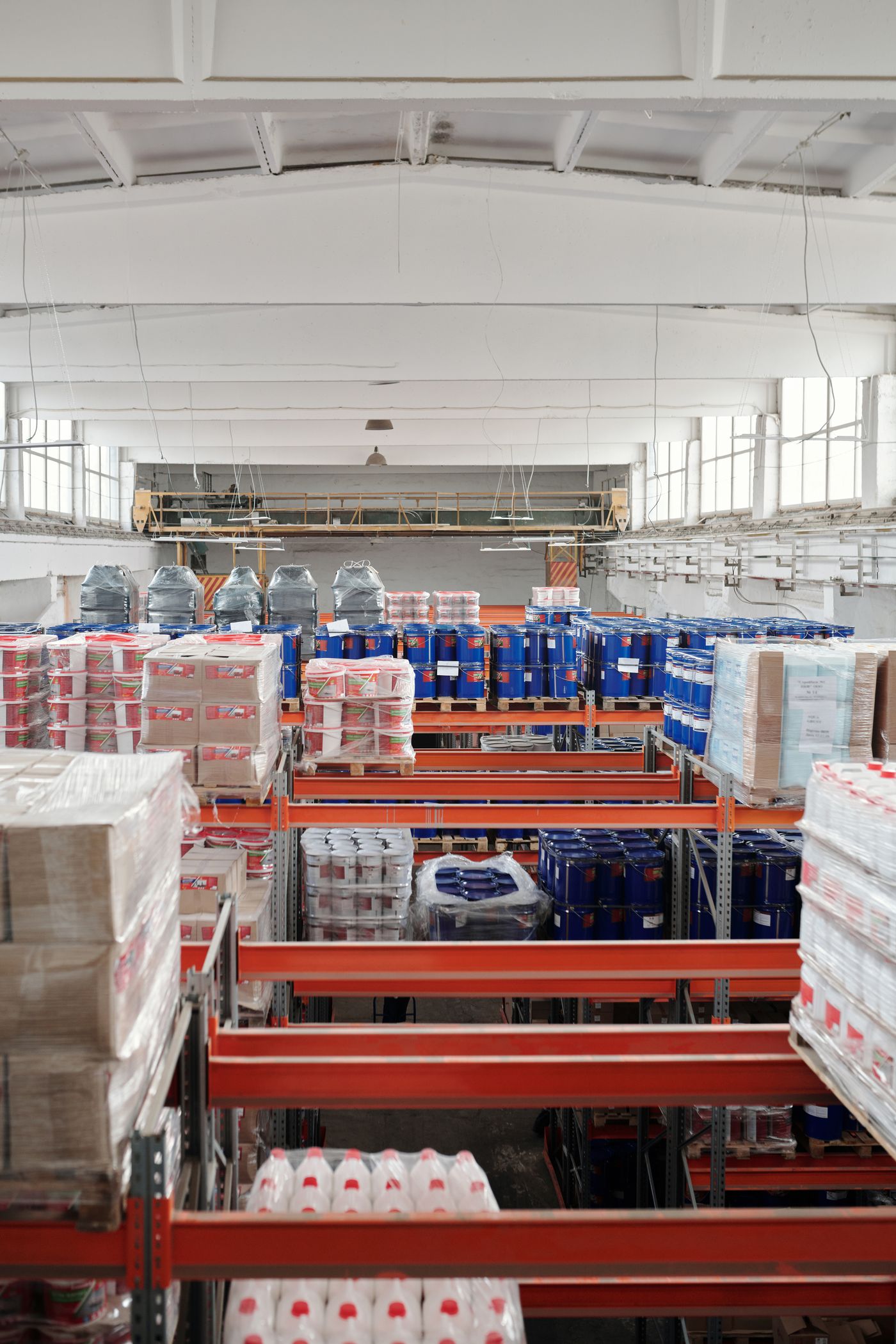
Key Logistics Frameworks
Important practices and frameworks supporting quality, warehousing, supply-chain security and international trade.

GDP
Good Distribution Practice focuses on maintaining the quality, safety and integrity of medicinal products throughout distribution.
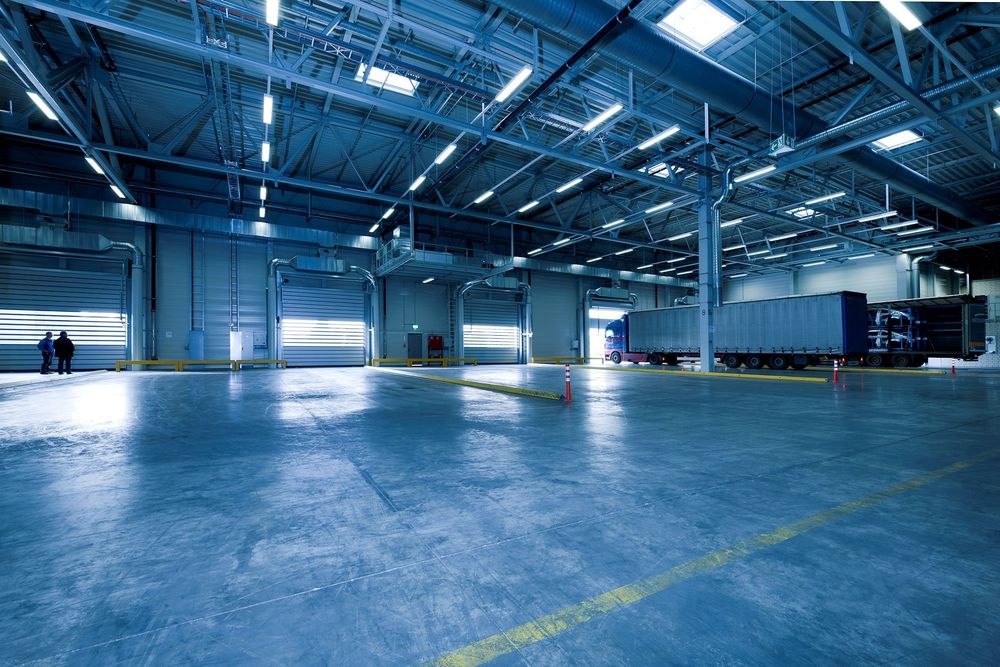
GWP
Good Warehousing Practice supports effective receiving, storage, handling and dispatch of goods.

ISO 28000
Provides a management-system framework for addressing security risks throughout supply-chain operations.

C-TPAT
Supports international supply-chain security through risk-based security practices and collaboration.

GDP – Good Distribution Practice
Good Distribution Practice (GDP) focuses on maintaining the quality, safety and integrity of medicinal products throughout the distribution process. It is particularly important for pharmaceutical companies, distributors, logistics providers and organizations involved in healthcare supply chains.
GDP emphasizes controlled storage and transportation conditions, proper documentation, traceability, handling procedures and appropriate infrastructure. Temperature-sensitive pharmaceutical products may require carefully managed cold chain logistics.
Effective GDP practices can help organizations strengthen pharmaceutical logistics, product traceability, regulatory compliance and supply-chain reliability.

GWP – Good Warehousing Practice
Good Warehousing Practice (GWP) focuses on establishing effective systems for receiving, storing, handling and dispatching goods.
A well-managed warehouse can improve inventory accuracy, product protection, workplace organization and operational efficiency.
GWP covers warehouse cleanliness, inventory management, documentation, storage conditions, security and material handling. Smart warehouses increasingly use automation, warehouse management systems and digital inventory tracking.
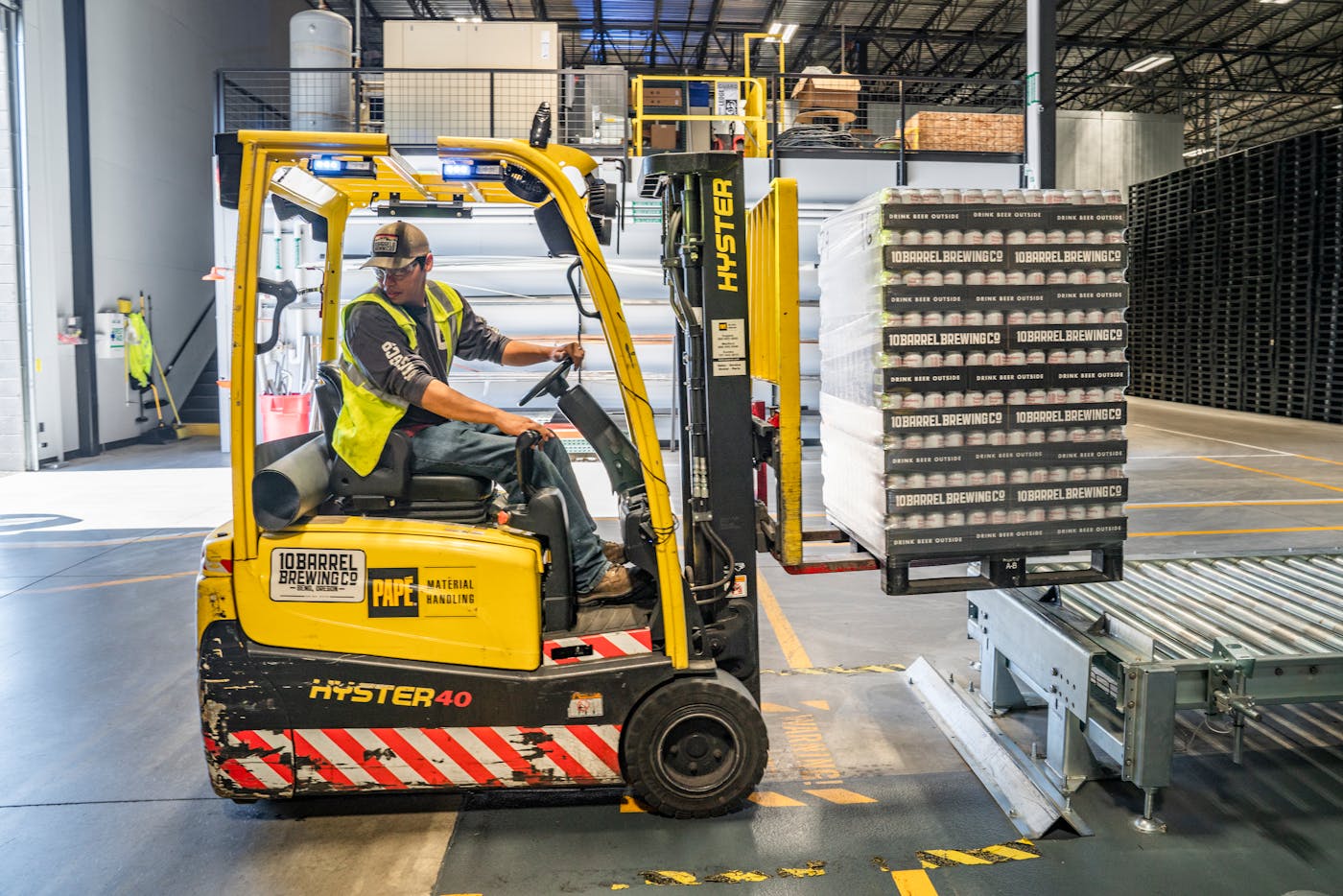
ISO 28000 – Supply Chain Security Management
ISO 28000 provides a management-system framework for organizations seeking to address security risks associated with their supply chain and related operations.
Supply chains can face risks involving cargo security, unauthorized access, theft, disruption and other security threats. An organized security management approach helps organizations identify relevant risks, establish controls, monitor performance and pursue continual improvement.
For logistics companies, manufacturers, transport operators, warehouses and organizations involved in international trade, supply-chain security can contribute to resilience, continuity and protection of assets and goods.
Building a Resilient Supply Chain
Modern logistics requires coordinated controls across transportation, warehousing, security, documentation and distribution. Structured practices can help organizations improve visibility, reduce risks and maintain reliable supply-chain operations.
Visibility
Improve visibility across logistics and distribution processes.
Security
Strengthen controls protecting goods and assets.
Risk Control
Identify and manage operational supply-chain risks.
Efficiency
Support better logistics processes and performance.

C-TPAT – Customs Trade Partnership Against Terrorism
C-TPAT is a voluntary U.S. Customs and Border Protection partnership designed to strengthen international supply-chain security through collaboration and risk-based security practices.
Organizations involved in international trade can use structured security practices to address business partners, cargo security, physical security, access controls and procedural safeguards.
Understanding trade compliance, customs requirements and supply-chain security expectations can help businesses strengthen international logistics processes.
Why Transport & Logistics Certification Matters
Modern supply chains require more than simply moving products from one location to another.
Supply Chain Security
Strengthen security and resilience throughout logistics operations.
Warehouse Controls
Improve warehouse and transportation controls.
Traceability
Improve product traceability and documentation.
Compliance
Support regulatory and customer requirements.
Risk Reduction
Help reduce operational and supply-chain risks.
Customer Confidence
Build confidence among customers and business partners.
Better Distribution
Improve logistics and distribution processes.
Sustainable Growth
Support stronger and more sustainable business operations.

End-to-End Supply Chain Management
As global trade becomes increasingly interconnected, organizations that invest in structured transportation management, supply-chain risk management, warehouse compliance and logistics security can establish stronger operational foundations.
Transportation Management
Support controlled and reliable movement of products and goods.
Warehouse Compliance
Establish organized storage and handling processes.
Logistics Security
Address security risks affecting cargo, facilities and supply chains.
Operational Efficiency
Support visibility, process control and continual improvement.
Industries Supported by Transport & Logistics Practices
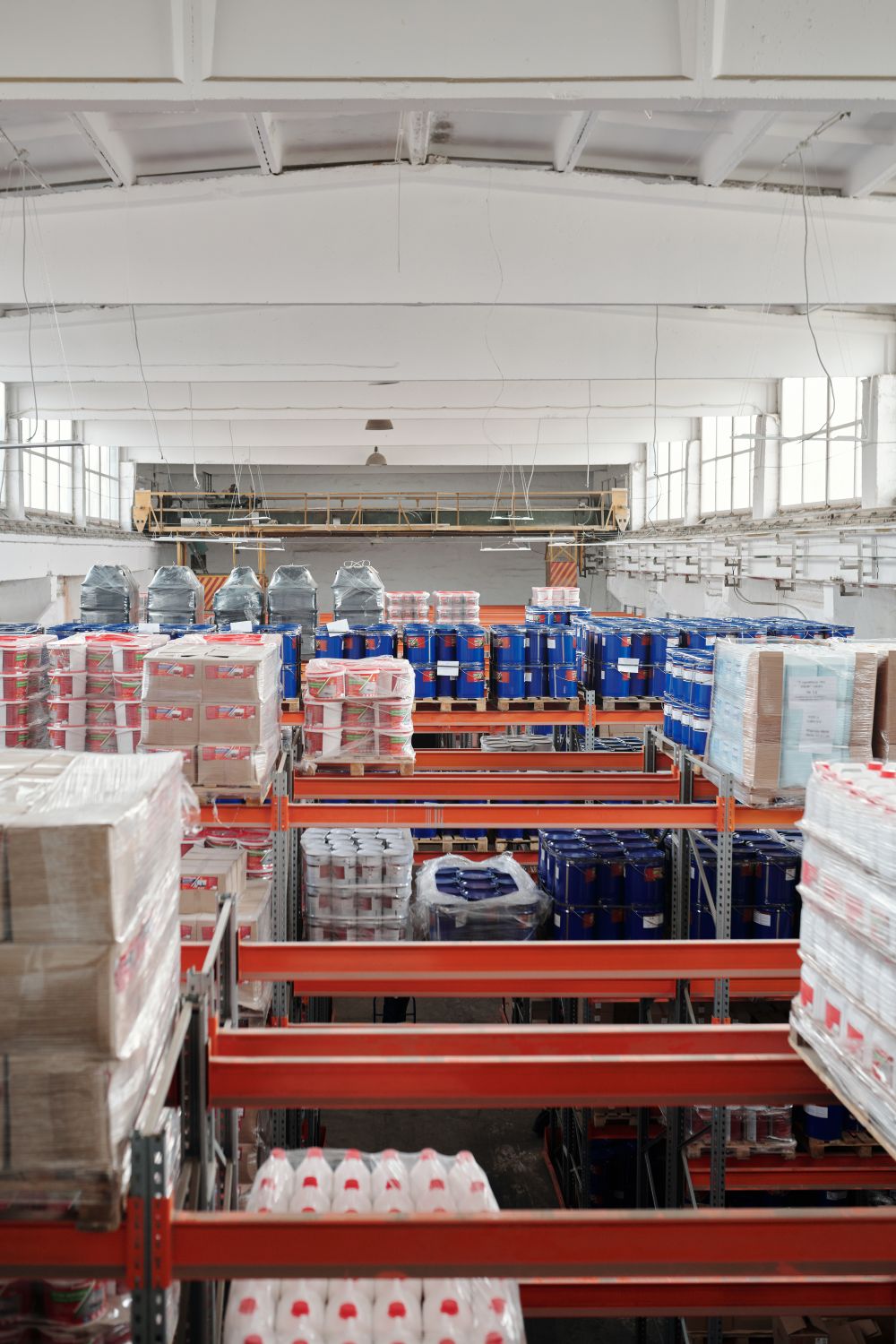
Pharmaceuticals
Distribution, cold-chain and product integrity.

Food Industry
Safe handling, storage and distribution operations.
Warehousing
Inventory, storage and material handling.
Manufacturing
Supply-chain security and industrial logistics.
International Trade
Customs, cargo and international supply-chain security.

Why Choose Ascent Inspecta?
Ascent Inspecta supports organizations in navigating certification, compliance and management-system requirements with practical, business-focused guidance.
Our experienced consultants help businesses understand applicable standards, identify compliance gaps, develop documentation, implement effective processes and prepare for certification assessments.
Whether you are working toward GDP, GWP, ISO 28000, C-TPAT-related supply-chain requirements or other management-system certifications, our approach focuses on strengthening processes and improving compliance readiness.
Strengthen Your Transport & Logistics Operations
Build more secure, efficient and resilient logistics processes with professional certification and compliance support from Ascent Inspecta.
Leave a Comment
We would love to hear your thoughts! Please leave your comment below: