
Blog Details
Get OHSAS 18001 Certified: Protect People, Improve Performance
Build a structured occupational health and safety management approach to identify workplace hazards, control risks, protect employees and support continual improvement.
Workplace Safety & Occupational Health
Workplace safety is not simply a regulatory requirement—it is an essential part of responsible and successful business management.
Organizations across industries need effective systems to identify workplace hazards, control risks, protect employees and continuously improve safety performance.
OHSAS 18001 was developed to help organizations establish a structured Occupational Health and Safety Management System (OHSMS).
Although OHSAS 18001 has been withdrawn and replaced by ISO 45001, it remains an important standard in the history of occupational health and safety management.


What Was OHSAS 18001?
OHSAS 18001 was an internationally recognized occupational health and safety management standard. It provided organizations with a framework for identifying hazards, assessing workplace risks, implementing controls and improving occupational health and safety performance.
The standard helped businesses move beyond simply reacting to accidents and encouraged a proactive approach to workplace safety.
- Identify workplace hazards and risks
- Assess workplace safety risks
- Implement safety controls
- Improve occupational safety performance
Why Is Occupational Health & Safety Important?
A structured safety management system enables organizations to identify risks before they result in accidents, injuries or operational disruption.

Identify Hazards
Identify workplace hazards and risks before they create unsafe conditions.

Reduce Accidents
Preventive controls can help reduce workplace incidents and occupational injuries.

Safety Awareness
Improve employee awareness through communication, training and safety procedures.

Emergency Procedures
Establish effective emergency preparedness and response procedures.

Compliance Management
Strengthen regulatory and compliance management through structured processes.

Continual Improvement
Monitor performance, correct weaknesses and improve safety practices over time.
OHSAS 18001 vs ISO 45001
Understand the transition from OHSAS 18001 to the current occupational health and safety management standard.

OHSAS 18001
OHSAS 18001 provided a structured framework for occupational health and safety management.
- Hazard identification
- Workplace risk assessment
- Safety controls
- Withdrawn and replaced by ISO 45001

ISO 45001
ISO 45001 provides the current framework for occupational health and safety management certification.
- Organizational context
- Leadership involvement
- Worker participation
- Risk-based thinking and improvement
Important Certification Update
OHSAS 18001 is no longer the current certification standard. Organizations seeking a new occupational health and safety management certification should generally pursue ISO 45001.
Industries That Can Benefit
Occupational health and safety management systems can be adapted according to an organization's activities, risks and operational environment.




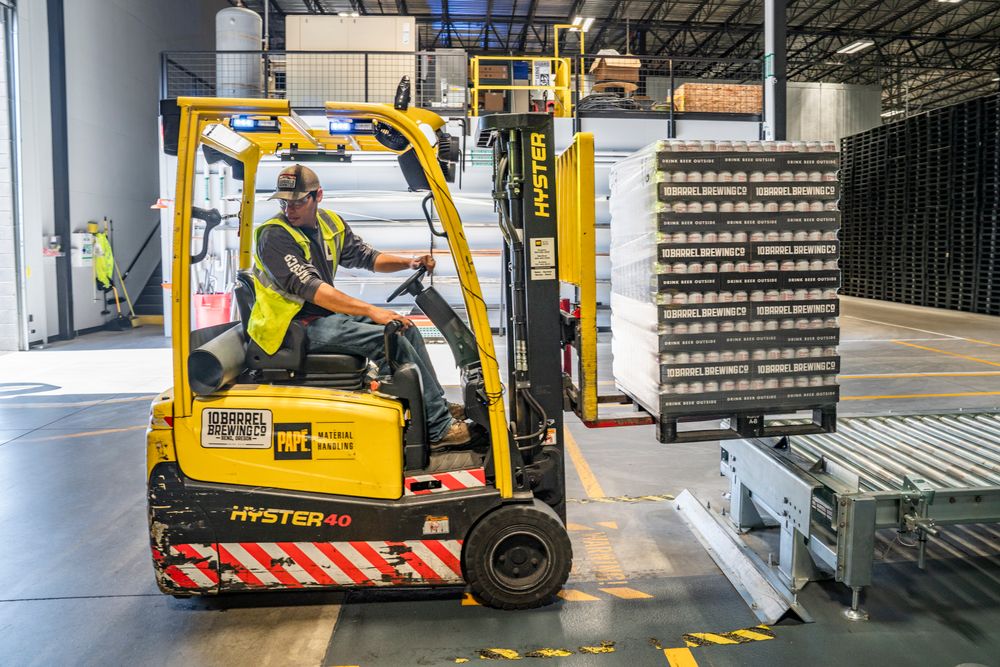

Building an Effective Safety Management System
Every workplace has potential hazards. These may include machinery, electrical equipment, chemicals, fire risks, physical hazards, ergonomic issues or unsafe working practices.
A structured safety management system helps organizations establish systematic processes for identifying hazards, controlling risks and improving workplace safety.
How Can a Consultant Help?
Professional guidance can make the management-system implementation and certification journey more structured.

Professional Certification Support
Implementing an occupational health and safety management system can involve documentation, risk assessment, employee awareness, internal audits, corrective actions and management review.
Support for appropriate management-system documentation.
Guidance for identifying hazards and occupational safety risks.
Help employees understand safety requirements and practices.
Assistance with internal audit preparation and corrective actions.
Professional guidance throughout the certification journey.
Why Choose Ascent Inspecta?
Professional consultancy and certification support aligned with your organization's processes, risks and objectives.

Professional Guidance
Understand applicable certification requirements with practical guidance.

Customized Support
Guidance aligned with your business activities, processes and goals.

Documentation
Support for documentation, implementation and audit preparation.

Multiple Solutions
Support across ISO, food safety, cybersecurity, sustainability and more.

Long-Term Improvement
Focus on stronger processes, risk management and continual improvement.

More Than a Certificate
Our goal is not simply to help businesses obtain a certificate. We aim to help organizations understand management-system practices, strengthen processes, manage risks and develop a culture of continual improvement.
Ascent Inspecta supports organizations across a broad range of certification and compliance areas.
Ready to Strengthen Workplace Safety?
Connect with Ascent Inspecta for professional certification consultancy and guidance. Build stronger processes, manage occupational health and safety risks and support continual improvement.
Leave a Comment
We would love to hear your thoughts! Please leave your comment below: