
Blog Details
🛡️ Cybersecurity in the Modern Digital Era
Cybersecurity has moved beyond being an IT responsibility—it is now a critical business priority. Organizations increasingly depend on cloud platforms, digital payments, artificial intelligence, remote work, SaaS applications, and connected systems.
As digital dependency increases, organizations face growing risks from cyberattacks, data breaches, ransomware, phishing, identity theft, privacy violations, and supply-chain attacks.
Cybersecurity certification and compliance provide organizations with a structured approach to identifying risks, protecting information, strengthening resilience, and building customer confidence.
Modern organizations need to protect information across applications, networks, endpoints, cloud environments, employees, suppliers, and third-party platforms.
Cybersecurity therefore requires a coordinated combination of governance, risk management, technical controls, employee awareness, security testing, privacy management, and continual monitoring.
- ☁️ Cloud & SaaS Security
- 🤖 Artificial Intelligence Security
- 🔑 Identity & Access Management
- 📱 Endpoint Security
- 🌐 Network Security
- 🗄️ Data Protection
- 👥 Third-Party Risk Management
- 🚨 Incident Response

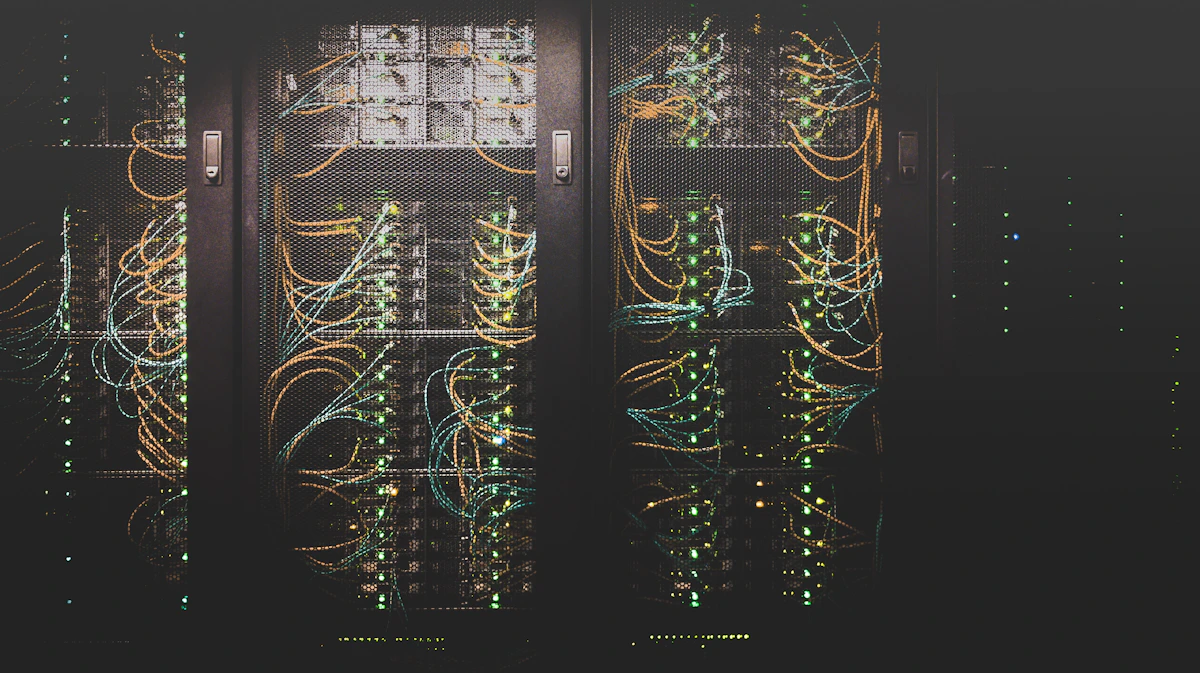
Cybersecurity is not simply about installing antivirus software, firewalls, or security tools. Organizations require an integrated approach covering people, processes, technology, governance, risk management, and continual improvement.
Certification and recognized frameworks can help organizations establish structured security practices and demonstrate their commitment to information protection.
- 🔍 Identify information-security risks
- 🛡️ Establish appropriate security controls
- 📋 Formalize security policies and procedures
- 👨🏫 Improve employee security awareness
- 📊 Measure security performance
- 🔄 Support continual improvement
- 🤝 Build customer and stakeholder trust
ISO/IEC 27001 provides a systematic framework for establishing, implementing, maintaining, and continually improving an Information Security Management System (ISMS).
It helps organizations identify information-security risks and select appropriate controls to protect the confidentiality, integrity, and availability of information.
- 🔎 Information-security risk assessment
- 📑 Security policies and procedures
- 🛡️ Security controls
- 👥 Employee awareness
- 🔄 Continual improvement
- 📊 Security performance monitoring


The NIST Cybersecurity Framework (CSF) 2.0 provides organizations with a flexible approach to managing cybersecurity risk.
The framework is structured around six functions:
- 🏛️ Govern – Establish cybersecurity governance
- 🔍 Identify – Understand assets and cybersecurity risks
- 🛡️ Protect – Implement safeguards
- 🚨 Detect – Identify cybersecurity events
- ⚡ Respond – Take action against incidents
- 🔄 Recover – Restore capabilities and improve resilience
Cybercriminals continuously search for weaknesses in applications, networks, endpoints, APIs, cloud environments, and infrastructure.
Vulnerability Assessment and Penetration Testing (VAPT) helps organizations identify security weaknesses before attackers can exploit them.
- 🌐 Network vulnerability assessment
- 💻 Web application security testing
- 📱 Mobile application testing
- ☁️ Cloud security assessment
- 🔌 API security testing
- 🔑 Authentication testing
- 🛡️ Access-control assessment
- 📋 Risk-based remediation


Organizations process significant amounts of customer, employee, financial, and business information. Protecting this information has therefore become an essential component of modern cybersecurity.
The Digital Personal Data Protection Act, 2023 (DPDPA) establishes a legal framework for processing digital personal data in India. Organizations operating internationally may also need to consider regulations such as the GDPR.
- 🇮🇳 DPDPA
- 🇪🇺 GDPR
- 🔐 Privacy Governance
- 📋 Data Protection Policies
- 🗄️ Data Classification
- 👤 Individual Data Rights
- ⚖️ Regulatory Compliance
Different industries and organizations may require different cybersecurity standards, assessments, frameworks, or compliance programs depending on their business model, geography, customers, and information-security risks.
ISO 27001
Information Security Management
VAPT
Security Testing & Vulnerability Assessment
GDPR
Data Privacy & Protection
PCI DSS
Payment Card Data Security
HIPAA
U.S. Health Information Protection
SOC
Service Organization Controls
DPDPA
Indian Digital Data Protection
NIST
Cybersecurity Risk Framework
CMMC
Defense Cybersecurity Requirements
TISAX
Automotive Information Security

Cybersecurity requirements vary according to industry and the type of information an organization handles.
- 💳 PCI DSS: Payment-card data security
- 🏥 HIPAA: Protection of health information in the U.S.
- 📊 SOC 1: Controls relevant to financial reporting
- 🔐 SOC 2: Controls related to trust services criteria
- 📋 SOC 3: Public-facing reporting on relevant controls
- 🚗 TISAX: Information-security expectations in automotive supply chains
- 🛡️ CMMC: Cybersecurity requirements for the U.S. defense industrial base
The cybersecurity environment continues to evolve as organizations adopt AI, cloud services, automation, remote work, and interconnected technologies.
AI-powered defense and protection against AI-enabled attacks.
Continuous verification of users, devices and access.
Protection of cloud infrastructure, applications and data.
Improved prevention, response and recovery capabilities.
Stronger authentication and access management.
Managing cybersecurity risks from third parties.
Greater focus on data protection and privacy governance.
Continuous monitoring and automated security operations.
Security awareness and employee-focused controls.
Integrated governance, risk and compliance programs.


Cybersecurity certification should not be viewed merely as a certificate on the wall. The real objective is to establish a security-first culture where cybersecurity becomes part of everyday business decision-making.
- 🔍 Conduct cybersecurity risk assessments
- 🗄️ Identify critical assets and sensitive data
- ⚠️ Evaluate existing security controls
- 🛠️ Remediate vulnerabilities
- 📑 Establish policies and procedures
- 👨🏫 Train employees
- 🔎 Conduct audits and assessments
- 📊 Monitor security performance
- 🔄 Continually improve cybersecurity maturity
Ascent Inspecta helps organizations navigate the increasingly complex world of cybersecurity, information security, privacy, risk, and compliance.
Our approach focuses on practical, risk-based solutions that help organizations improve security maturity, strengthen controls, and prepare for applicable certification and compliance requirements.
- 🔐 ISO 27001 Consulting
- 🔎 VAPT & Security Assessment Support
- 🇮🇳 DPDPA Compliance Support
- 🇪🇺 GDPR Compliance Guidance
- 📊 SOC Readiness Support
- 💳 PCI DSS Compliance Support
- 🏛️ NIST Framework Guidance
- 🛡️ CMMC Readiness Support
- 🚗 TISAX Support
- 📋 Cybersecurity Gap Assessments
- 👨🏫 Security Awareness Training
- 🔄 Continual Compliance Support


In today's digital economy, cybersecurity is not just about preventing attacks. It is about protecting business continuity, safeguarding sensitive information, meeting regulatory expectations, and maintaining trust.
Organizations that invest in cybersecurity certification, cyber resilience, privacy compliance, vulnerability management, and continuous risk assessment are better positioned to respond to evolving threats.
📞 Strengthen Your Cybersecurity Today
Ready to improve your organization's cybersecurity, compliance, and information-security maturity?
📱 Call: +91-9867-180-395
📧 Email: info@ascentinspecta.com
🛡️ Secure Systems. Protect Data. Build Trust.
Leave a Comment
We would love to hear your thoughts! Please leave your comment below: