
Blog Details
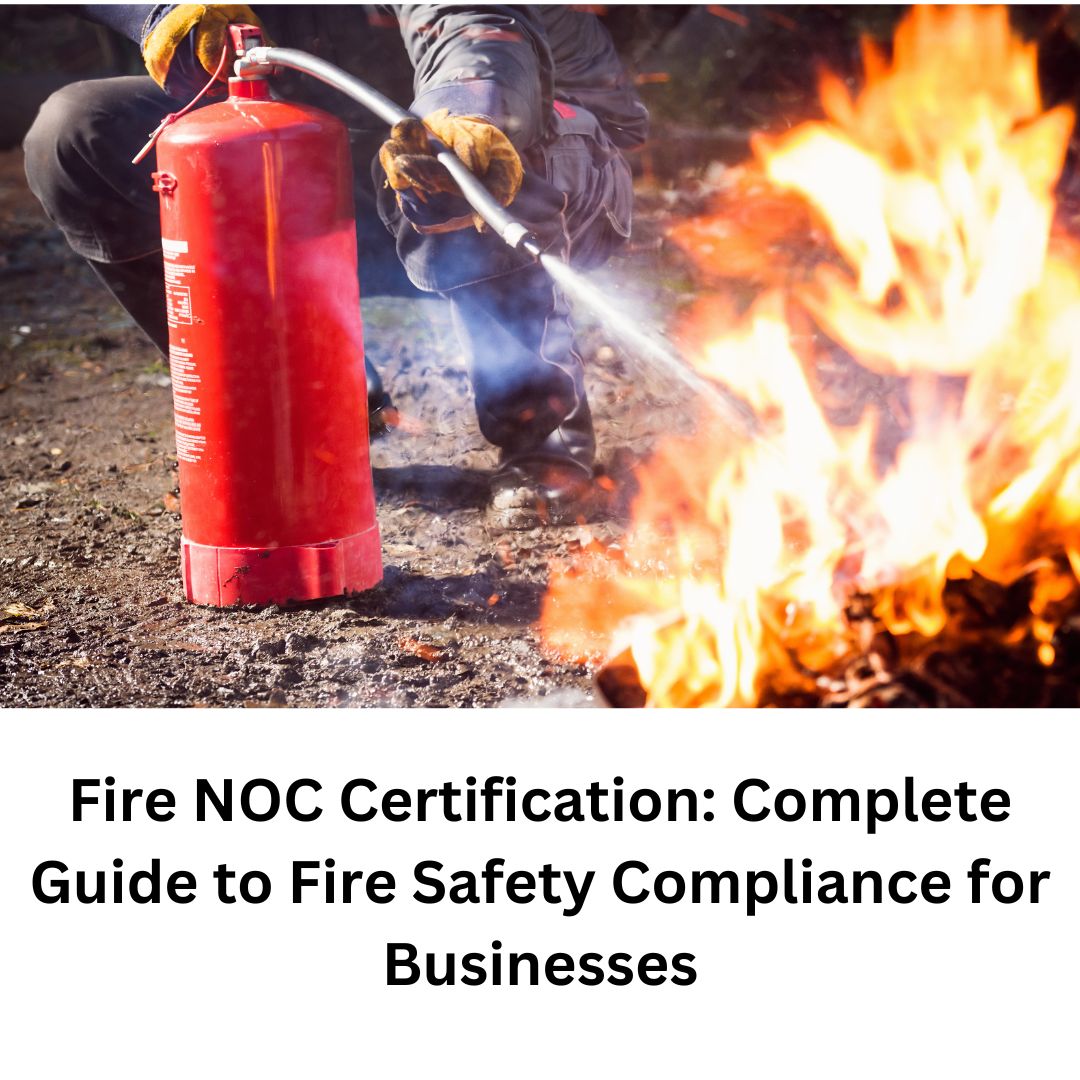
🔥 Fire NOC Certification: Complete Guide to Fire Safety Compliance for Businesses
🚒 Introduction
Fire safety is one of the most critical aspects of any commercial, industrial, or residential establishment. A single fire incident can result in severe loss of life, property damage, business disruption, and reputational loss.
To minimize these risks, businesses must comply with fire safety regulations and obtain a Fire NOC (No Objection Certificate) from the local Fire Department.
A Fire NOC certifies that a building has adequate fire prevention and firefighting systems installed in accordance with applicable laws and safety standards. Whether you operate a manufacturing facility, shopping mall, hospital, school, hotel, office complex, or warehouse, obtaining a Fire NOC is often a legal requirement.
📘 What is Fire NOC Certification?
A Fire No Objection Certificate (Fire NOC) is an official approval issued by the State Fire Department after verifying that a building complies with prescribed fire safety regulations.
The certificate confirms that:
- 🔥 Fire prevention systems are installed correctly
- 🧯 Firefighting equipment is operational
- 🚪 Emergency evacuation measures are in place
- 📋 The building meets statutory fire safety requirements
- 👨🚒 Occupants are protected from fire hazards
Fire NOC is generally mandatory before obtaining occupancy permission for many commercial and industrial establishments.
⭐ Why is Fire NOC Important?
Fire NOC plays a vital role in protecting human life, business assets, and ensuring legal compliance.
🌟 Key Benefits
- ⚖️ Legal compliance with fire safety regulations
- 👨👩👧👦 Employee and visitor safety
- 🏢 Protection of business property and assets
- 🔄 Improved business continuity
- 🛡️ Better insurance approval and claim support
- 🤝 Increased customer and stakeholder confidence
🎯 Who Needs Fire NOC?
- 🏢 Commercial Buildings
- 🏬 Office Complexes
- 🛍️ Shopping Malls
- 🏨 Hotels
- 🏥 Hospitals
- 🏫 Educational Institutions
- 🏭 Manufacturing Units
- 📦 Warehouses
- 🧪 Chemical Industries
- 🏙️ High-rise Buildings
- 🏢 Residential Apartments (above specified height)
- 💻 IT Parks
- 🎬 Cinema Halls
- 🍽️ Restaurants
- 👥 Public Assembly Buildings
Requirements may vary depending on local Fire Department regulations.
🧯 Fire Safety Systems Required
🔥 Fire Detection Systems
- 🚨 Smoke detectors
- 🌡️ Heat detectors
- 📟 Fire alarm panels
- 🔔 Manual call points
🧯 Fire Suppression Systems
- 💦 Automatic sprinkler systems
- 🚰 Fire hydrants
- 🧵 Hose reels
- 🧯 Fire extinguishers
- 🫧 Foam systems
- 💨 Gas suppression systems
🚪 Emergency Systems
- 💡 Emergency exit lighting
- ➡️ Exit signage
- 🚪 Fire-resistant doors
- 🏃 Evacuation routes
- 🌬️ Staircase pressurization
⚡ Electrical Safety
- 🔌 Proper wiring
- 🛡️ Circuit protection
- ⚡ Lightning arresters
- 🔋 Emergency power backup
📄 Documents Required for Fire NOC
- 📐 Building Plan Approval
- 🏢 Occupancy Certificate
- 📄 Completion Certificate
- 📋 Architectural Layout
- 🔥 Fire Safety System Drawings
- ⚡ Electrical Layout
- 🏗️ Structural Stability Certificate
- 🧯 Installation Certificates
- 📝 Fire Equipment Test Reports
- 🛗 Lift Safety Certificate (if applicable)
- 💧 Water Tank Details
- 🚰 Pump Room Details
- 🪪 Identity Proof
- 🏠 Property Ownership Documents
- 📝 Application Form
⚙️ Fire NOC Certification Process
- 1️⃣ 📝 Application Submission
- 2️⃣ 📄 Document Verification
- 3️⃣ 👨🚒 Site Inspection
- 4️⃣ 🔍 Compliance Review
- 5️⃣ 🔄 Re-inspection (if required)
- 6️⃣ 📜 Fire NOC Issuance
🌟 Benefits of Fire NOC Certification
- 🧯 Improved workplace safety
- ⚖️ Legal protection
- 🛡️ Better insurance coverage
- 🏆 Enhanced business reputation
- 📈 Increased business value
- 🔄 Reduced operational risks
- ✅ Easier regulatory approvals
⚠️ Common Reasons for Fire NOC Rejection
- 🚪 Insufficient emergency exits
- 🚨 Non-functional fire alarms
- 💦 Inadequate sprinkler systems
- 🧯 Missing fire extinguishers
- 🏃 Poor evacuation planning
- 📄 Incomplete documentation
- ⚡ Electrical safety violations
- 🚰 Improper hydrant installation
- 💧 Water storage deficiencies
- 🏗️ Unauthorized building modifications
🔄 Fire NOC Renewal
Fire NOC is generally issued with a validity period specified by the local Fire Department. Renewal may require:
- 📝 Updated application
- 👨🚒 Fresh inspection
- 🧯 Equipment maintenance records
- 📊 Testing certificates
- ✅ Compliance verification
Businesses should apply for renewal before the certificate expires to avoid operational disruptions.
✅ Best Practices for Fire Safety Compliance
- 🚨 Regular fire drills
- 🎓 Employee safety training
- 🧯 Periodic equipment maintenance
- 📅 Annual fire system inspections
- 🏃 Emergency evacuation planning
- ☣️ Safe storage of hazardous materials
- ⚡ Routine electrical inspections
- 🚪 Keep emergency exits clear
- 📋 Maintain updated safety documentation
- 🔄 Timely Fire NOC renewal
🏭 Industries That Benefit from Fire NOC
- 🏭 Manufacturing Industries
- 💊 Pharmaceutical Companies
- 🍽️ Food Processing Units
- 🧪 Chemical Plants
- 🛢️ Oil & Gas Facilities
- 📦 Warehouses
- 🚚 Logistics Companies
- 🏨 Hotels & Resorts
- 🏥 Hospitals
- 🏫 Educational Institutions
- 🛒 Retail Chains
- 🛍️ Shopping Malls
- 💻 IT Companies
- 🏢 Corporate Offices
🏢 Why Choose Ascent Inspecta for Fire NOC Certification?
Obtaining Fire NOC can be a complex process involving documentation, inspections, and coordination with local authorities. Ascent Inspecta simplifies this journey by providing end-to-end guidance and professional support.
Our Services Include:
- 🔥 Expert consultation on Fire NOC requirements
- 📄 Documentation assistance
- 🧯 Fire safety compliance assessment
- 🤝 Coordination with regulatory authorities
- 🔍 Pre-inspection audits
- 📊 Gap analysis
- ✅ Support for corrective actions
- 🔄 Renewal assistance
- 📋 Compliance management
- ⚡ Quick and hassle-free certification support
With a team of experienced professionals and extensive knowledge of fire safety regulations, Ascent Inspecta helps businesses achieve compliance efficiently while ensuring the highest standards of safety.
Website: www.ascentinspecta.com
📌 Conclusion
Fire NOC Certification is far more than a regulatory requirement—it is a commitment to protecting lives, property, and business operations.
By implementing robust fire safety systems and obtaining the necessary approvals, organizations can reduce risks, ensure legal compliance, and build trust with employees, customers, and stakeholders.
Whether you are establishing a new facility or renewing an existing certificate, staying compliant with fire safety regulations is essential for sustainable business operations. Partnering with Ascent Inspecta ensures a smooth certification process, allowing you to focus on your core business while maintaining a safe and secure environment.
Leave a Comment
We would love to hear your thoughts! Please leave your comment below: