
Blog Details
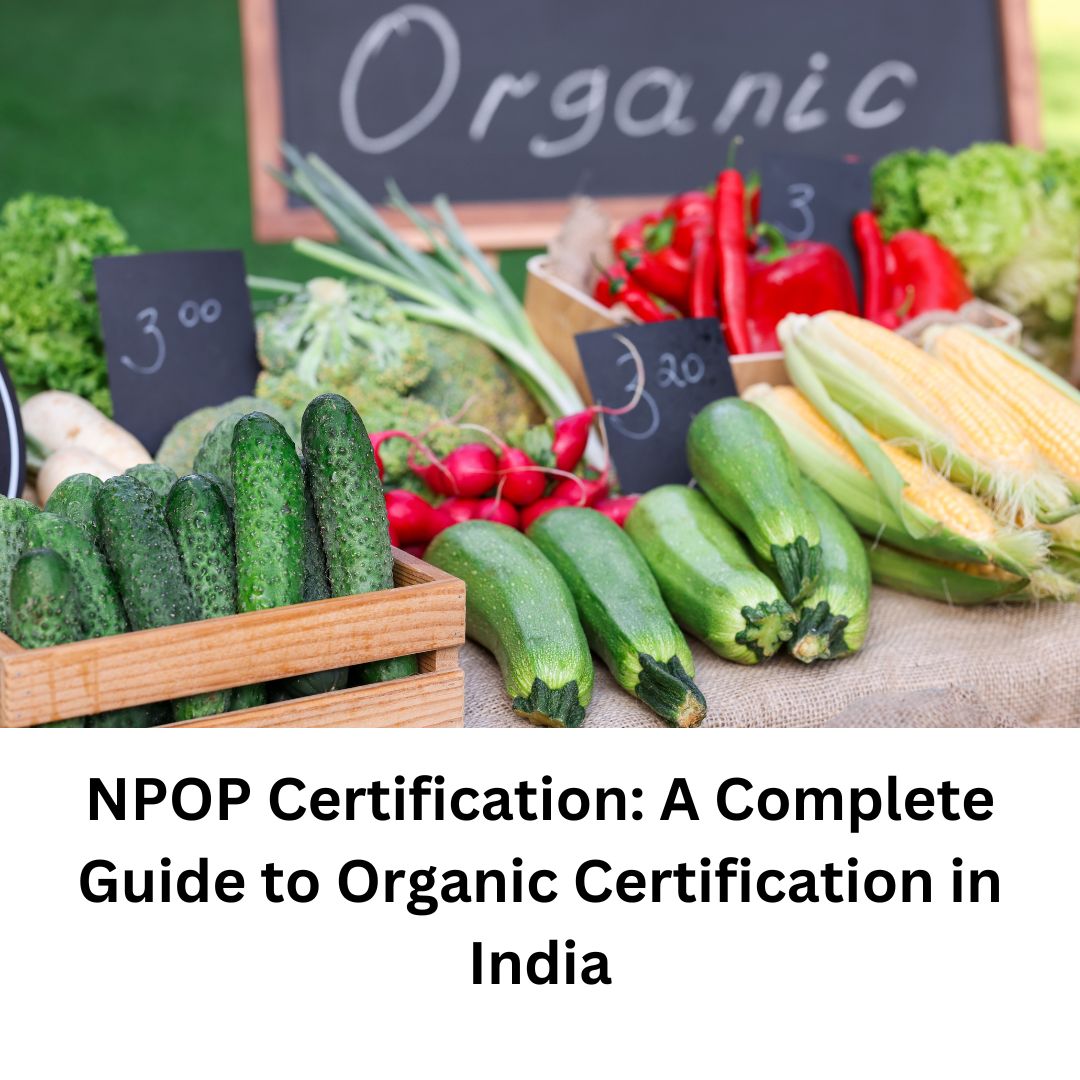
🌿 NPOP Certification: A Complete Guide to Organic Certification in India
🍃 Introduction
As consumers become increasingly conscious about health, sustainability, and environmental impact, the demand for organic products has grown significantly across the globe.
To ensure authenticity, India introduced the National Programme for Organic Production (NPOP), which regulates organic farming and processing standards.
NPOP certification helps businesses gain credibility, comply with regulations, and access global export markets.

📘 What is NPOP?
The National Programme for Organic Production (NPOP) is India’s official organic certification system regulated by APEDA under the Ministry of Commerce and Industry.
It ensures organic products are produced and handled according to strict standards.
- 🌱 Organic farming standards
- 📦 Organic processing guidelines
- 🔍 Certification procedures
- 🌍 Export recognition framework
- 📋 Compliance monitoring system

⭐ Importance of NPOP Certification
NPOP certification ensures trust, quality, and sustainability in organic products.
🌟 Key Benefits
- 🤝 Enhanced consumer trust
- 🌍 Access to international markets
- 🏆 Improved brand reputation
- 📜 Regulatory compliance
- 💰 Better market pricing

🎯 Objectives of NPOP
- 🌱 Promote organic farming practices
- 📊 Standardize production methods
- 🔍 Ensure traceability
- 🌍 Support sustainable agriculture
- 🚚 Facilitate export of organic goods
- 🛡️ Protect consumer interests
📦 Scope of NPOP Certification

🌾 Organic Agriculture
- 🍎 Fruits
- 🥦 Vegetables
- 🌾 Cereals
- 🫘 Pulses
- 🌻 Oilseeds
- 🌶️ Spices
🐄 Livestock Products
- 🥛 Dairy products
- 🐔 Poultry products
- 🍯 Honey
🥫 Processed Organic Foods
- 📦 Packaged foods
- 🥤 Beverages
- 🌿 Herbal products
- 💊 Nutritional products
⚙️ Key Requirements of NPOP

🌱 Organic Farming Practices
- 🚫 No synthetic fertilizers
- 🚫 No chemical pesticides
- 🚫 No GMOs
- 🚫 No synthetic growth regulators
🌿 Soil Management
- ♻️ Composting
- 🌾 Crop rotation
- 🌱 Green manuring
- 🪱 Biological soil enhancement
🐛 Pest Management
- 🪲 Biological control
- 🌿 Botanical extracts
- 🚜 Cultural practices
📋 NPOP Certification Process

- 1️⃣ 📝 Application Submission
- 2️⃣ 📄 Documentation Review
- 3️⃣ 🕵️ On-site Inspection
- 4️⃣ 🧪 Sample Testing
- 5️⃣ 📊 Certification Decision
- 6️⃣ 📜 Certificate Issuance
- 7️⃣ 🔄 Annual Surveillance
🏭 Industries Benefiting from NPOP

- 🌾 Organic food manufacturers
- 🚚 Agricultural exporters
- 🏭 Food processing companies
- 🌿 Herbal product manufacturers
- 🍵 Tea & coffee producers
- 🥛 Dairy businesses
- 🛒 Organic retailers
⚠️ Challenges in NPOP Certification

- ⏳ Transition period requirements
- 📄 Complex documentation
- 🎓 Training & awareness gaps
- 🔍 Supply chain traceability issues
🌍 Sustainability in NPOP

- 🌱 Reduced chemical usage
- 🌿 Improved soil health
- 🐝 Biodiversity conservation
- 💧 Water protection
- 🌍 Climate-friendly farming
📌 Conclusion

NPOP certification strengthens India's organic agriculture system and builds global trust in organic products.
It improves market access, ensures sustainability, and supports farmers and exporters in achieving long-term growth.
🏢 Why Choose Ascent Inspecta?

Ascent Inspecta provides end-to-end support for NPOP certification including gap analysis, documentation, audit preparation, and compliance assistance.
Our experts help farmers, processors, and exporters achieve certification smoothly and efficiently.
For guidance, visit www.ascentinspecta.com.
Leave a Comment
We would love to hear your thoughts! Please leave your comment below: