
Blog Details
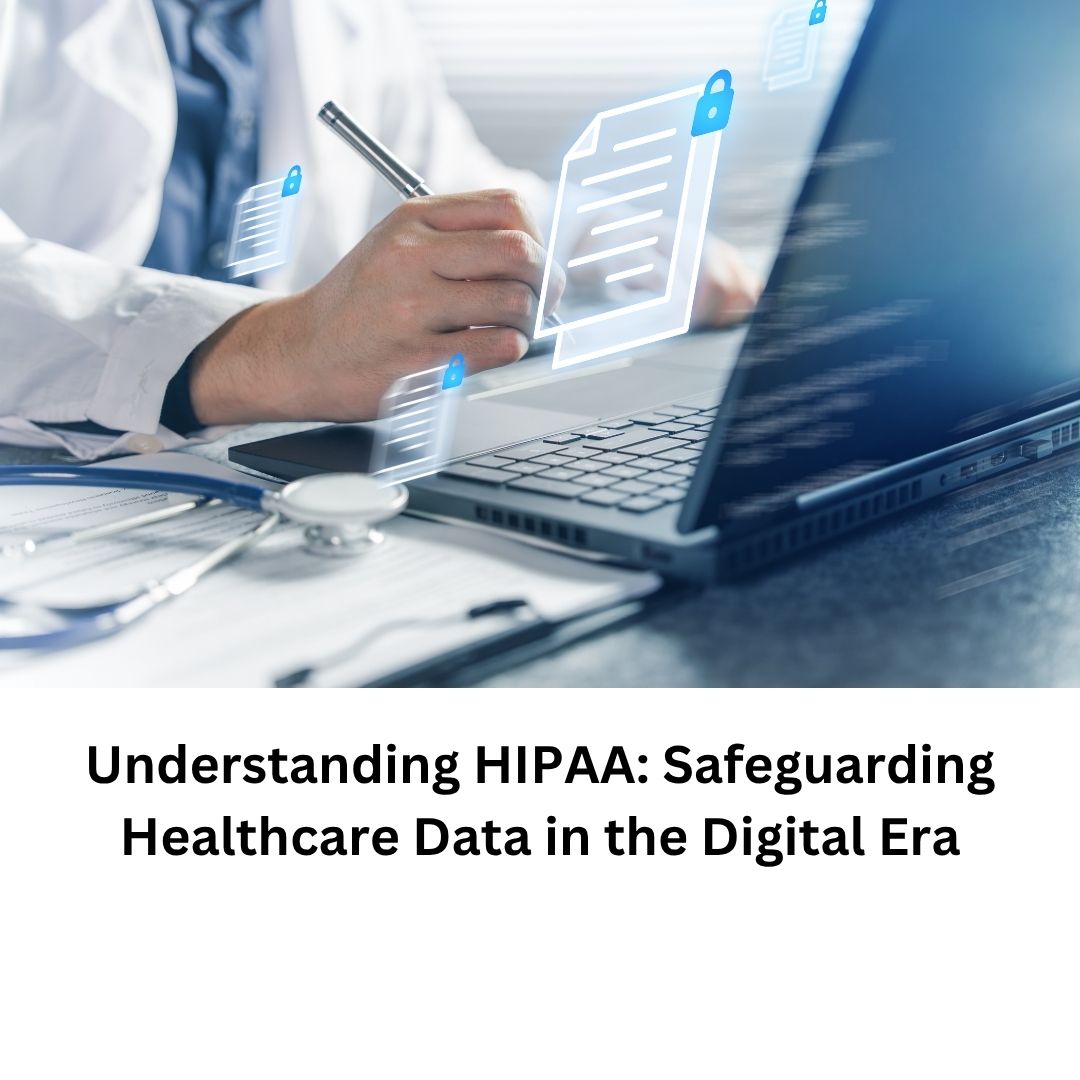
Understanding HIPAA: Safeguarding Healthcare Data in the Digital Era
Introduction
🌐 In today’s rapidly evolving digital landscape, protecting sensitive healthcare information has become more critical than ever.
🔐 With the rise of cloud-based platforms, SaaS solutions, and digital health records, organizations must ensure that patient data is handled securely and responsibly.
📘 This is where HIPAA plays a vital role.
📜 The Health Insurance Portability and Accountability Act (HIPAA) is a U.S. regulation designed to protect sensitive patient health information, particularly electronic Protected Health Information (ePHI).
📊 It ensures healthcare data remains confidential, accurate, and accessible when needed.
📖 What is HIPAA?
HIPAA is a regulatory framework that governs how healthcare data is collected, stored, processed, and shared.
Its primary goal is to safeguard patient information while allowing the flow of data needed for healthcare operations.
Core Principles:
- 🔐 Confidentiality: Only authorized individuals can access data
- 📊 Integrity: Data must remain accurate and unaltered
- ⚙️ Availability: Information must be accessible when required

⭐ Why HIPAA Matters
For SaaS companies handling healthcare data, HIPAA compliance is essential.
- 🤝 Builds trust and credibility
- 📋 Meets regulatory requirements
- 🔐 Strengthens security posture
- ⚠️ Prevents breaches and penalties
- 🚀 Enables enterprise opportunities
Risks of Non-Compliance:
- ❌ Regulatory fines
- ❌ Contract loss
- ❌ Reputational damage
🏢 Who Must Comply?
Covered Entities (CE):
- 🏥 Healthcare providers
- 💳 Health insurance providers
- 📊 Clearinghouses
Business Associates (BA):
- 💻 SaaS companies
- ☁️ Cloud providers
- 🛠️ IT services
- 📞 Support teams

🧠 Business Associate Responsibilities
- 📜 Comply with HIPAA Security Rule
- 🔐 Follow privacy requirements
- ✍️ Sign Business Associate Agreements (BAAs)
🧩 What is ePHI?
- 📧 Patient contact details
- 📋 Medical records & prescriptions
- 📅 Appointment data
- 💳 Insurance details
- 📊 Logs and backups
HIPAA applies to ePHI wherever it exists.
🛡️ HIPAA Safeguards
1️⃣ Administrative:
- Risk assessments
- Policies & procedures
- Employee training
- Incident response
2️⃣ Technical:
- Access control
- Encryption
- Monitoring & logging
- Authentication
3️⃣ Physical:
- Office security
- Device protection
- Infrastructure control

⚙️ Implementation Approach
- 🔍 Gap Analysis
- 📊 Risk Assessment
- 📄 Policy Development
- 🔐 Technical Controls
- 🤝 Vendor Management
- 🚨 Incident Readiness
- ✅ Audit & Closure
👥 Roles & Responsibilities
Client Responsibilities:
- Appoint security officer
- Provide access
- Implement controls
- Ensure team participation
Consultant Responsibilities:
- Implementation & assessment
- Policy templates
- Technical guidance
- Audit readiness
🚀 Benefits
- 🌟 Enhanced trust
- 🔐 Stronger security
- 📈 Competitive advantage
- ⚙️ Operational efficiency

📌 Conclusion
🔐 HIPAA is a critical framework for protecting healthcare data in the digital era.
📈 It helps organizations build trust, reduce risks, and scale in the healthcare sector.
🤝 Why Choose Ascent Inspecta
🏢 End-to-end HIPAA compliance support tailored to your needs.
👨🔬 Deep expertise in healthcare security and SaaS environments.
📊 Structured approach from gap analysis to audit readiness.
📄 Assistance with policies, BAAs, and documentation.
🔐 Guidance on encryption, access control, and monitoring.
🔄 Continuous compliance support and updates.
🚀 Helping you build trust and scale confidently in healthcare markets.
Leave a Comment
We would love to hear your thoughts! Please leave your comment below: