
Blog Details
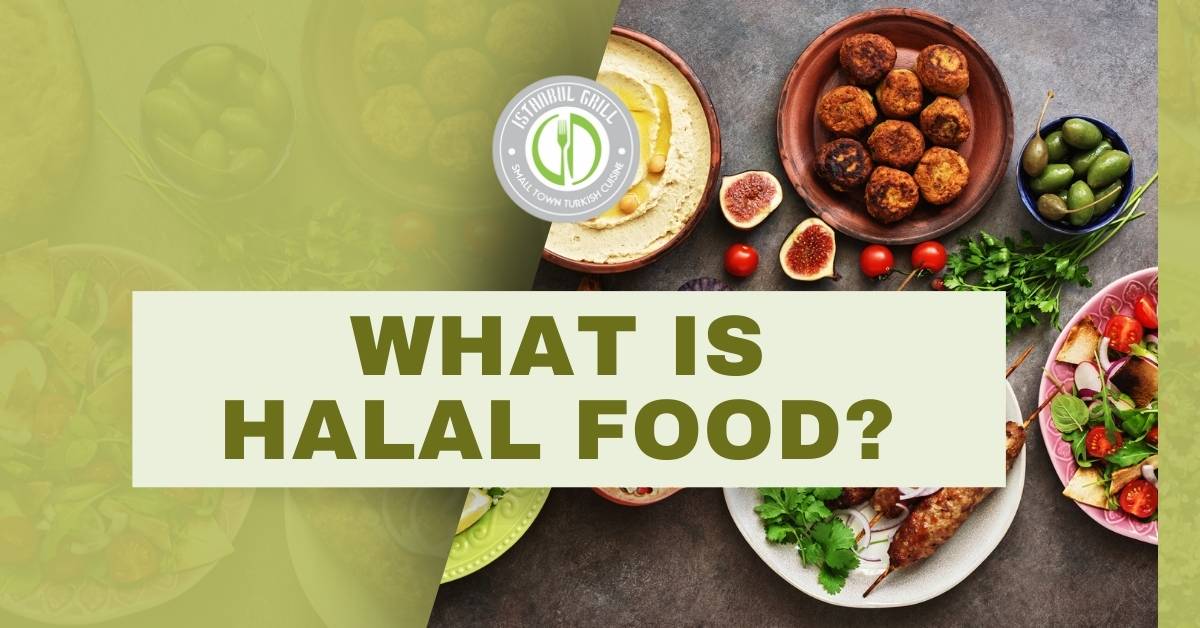
🕌 Understanding Halal Compliance: Ensuring Integrity, Purity & Ethical Business Practices
🌙 In today’s global market, the demand for Halal-certified products and services continues to grow rapidly. Consumers are increasingly conscious of authenticity, purity, ethical sourcing, and Shariah-compliant business practices. Halal compliance goes far beyond food—it includes pharmaceuticals, cosmetics, logistics, finance, tourism, and manufacturing. To ensure reliability and trust, businesses must follow Halal standards grounded in Islamic principles of cleanliness, safety, transparency, and ethical conduct.
⚙️ What Is Halal Compliance?
🛡️ Halal compliance refers to the process of ensuring that products, services, and business operations align with Islamic Shariah principles. It involves strict guidelines around sourcing, processing, manufacturing, handling, storage, and distribution.
🌍 Halal standards apply worldwide and are recognized globally. Any company offering products or services to Muslim consumers must ensure compliance with Halal requirements, regardless of country.
🌙 Why Halal Standards Are Important
📈 As the Muslim population grows, so does the demand for products that reflect their values. Halal certification ensures transparency, consumer trust, and ethical operations while preventing contamination with non-Halal (haram) elements.
- 🧼 Assurance of purity and cleanliness
- 🔍 Transparency in sourcing and production
- 🛡️ Protection from cross-contamination
- ⚖️ Ethical and Shariah-compliant business practices
📑 Key Principles of Halal Compliance
📘 Halal standards are guided by core Islamic principles ensuring product purity and business ethics:
- 🕌 Shariah Compliance: All ingredients and processes must follow Islamic law.
- 🧼 Cleanliness (Taharah): Equipment, tools, and facilities must remain clean and free from impurities.
- 🚫 No Haram Substances: Alcohol, pork, prohibited animal derivatives, and harmful ingredients must be avoided.
- 🛡️ Safety & Hygiene: Products must be safe and hygienically handled.
- 📦 No Cross-Contamination: Halal and non-Halal items cannot mix at any stage.
- 📝 Traceability: Complete transparency across the supply chain.
- 🤝 Ethical Business Conduct: Fairness, honesty, and integrity are essential.
👥 Who Needs Halal Certification?
Halal compliance applies to industries such as:
- 🥘 Food & Beverage Manufacturers
- 💄 Cosmetics & Personal Care Brands
- 💊 Pharmaceuticals
- 🚚 Logistics & Supply Chain
- 🏭 Slaughterhouses & Meat Processing Plants
- 🏨 Hotels & Halal Tourism Providers
- 🏦 Islamic Finance Institutions
Any business serving Muslim consumers benefits significantly from Halal certification.
🔎 What Qualifies as Halal?
🧩 Halal products must meet specific Islamic requirements. Examples include:
- 🐄 Animals slaughtered according to Islamic methods (Zabiha)
- 🍃 Ingredients free from alcohol, pork, or animal derivatives not slaughtered properly
- 🧴 Cosmetics free from harmful or prohibited substances
- 💊 Medicines made from Halal and safe ingredients
- 📦 Packaging and handling free from contamination
🧑⚖️ Rights of Muslim Consumers
- 🔎 The Right to Transparency: Knowing the origins of products
- 🛡️ The Right to Purity: Assurance that products are clean and Halal
- 🚫 The Right to Avoid Haram: Protection from prohibited ingredients
- 📜 The Right to Authentic Halal Certification
- 🤝 The Right to Ethical and Honest Business Practices
🧭 Steps to Achieve Halal Certification
- 🗺️ Ingredient & Process Review: Analyze all materials and workflows.
- 🏭 Ensure Clean Facilities: Strict hygiene and contamination control.
- 📄 Documentation Preparation: Detailed records of sourcing and processes.
- 🧼 Segregation Measures: Separate Halal from non-Halal items.
- 🕌 Shariah Compliance Audit: Inspection by approved Halal auditors.
- 📜 Certification Issuance: Awarded after full compliance.
- 🔁 Ongoing Monitoring: Annual audits to maintain certification.
⛔ Consequences of Non-Compliance
- 🚫 Loss of Halal certification
- ⚠️ Production recalls
- 📉 Loss of Muslim consumer trust
- 💸 Financial and reputational damage
🌟 Importance of Halal Compliance Today
💡 With global Halal markets expanding, businesses that invest in Halal certification gain credibility, trust, and wider market acceptance. Halal compliance reflects values of purity, ethics, sustainability, and responsibility—principles that appeal to both Muslim and non-Muslim consumers.
💬 Conclusion
🕌 Halal compliance is more than a certification—it's a commitment to purity, integrity, and ethical conduct rooted in Islamic values. As consumer awareness rises, Halal-certified businesses stand out for their authenticity and trustworthiness. Ensuring Halal integrity helps build a safer, more ethical, and spiritually aligned marketplace for all.
Leave a Comment
We would love to hear your thoughts! Please leave your comment below: