
Blog Details
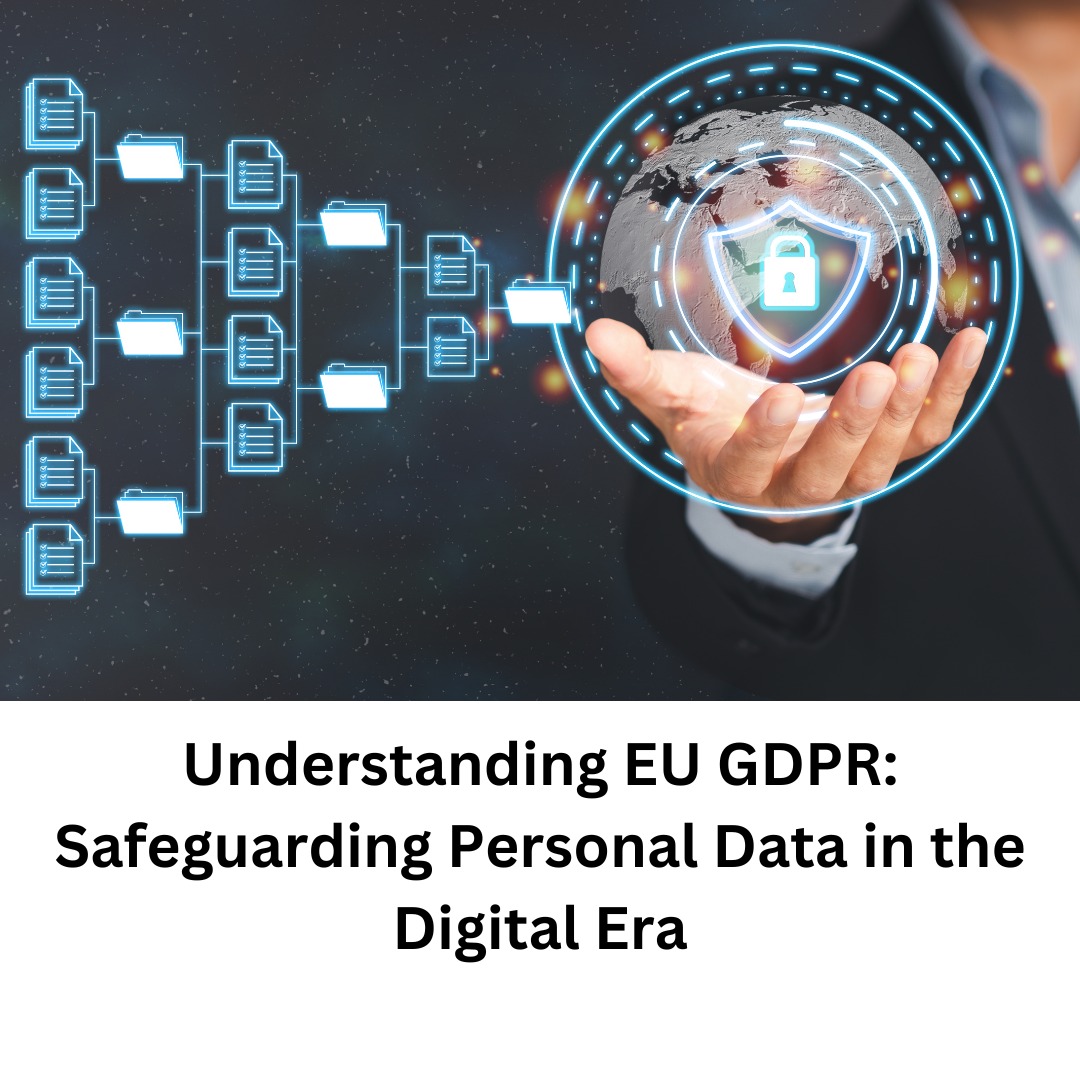
📘 Understanding EU GDPR: Safeguarding Personal Data in the Digital Era
🌐 In today’s digital world, data flows continuously. From online shopping and social media interactions to banking transactions and workplace communications, personal information travels across multiple platforms and systems every second. With this massive movement of data comes the increasing responsibility to safeguard it. Recognizing the need for privacy protection in a rapidly digitizing world, the European Union introduced the General Data Protection Regulation (GDPR) in May 2018 — a global benchmark for data privacy.
⚙️ What is GDPR?
🛡️ The General Data Protection Regulation (GDPR) is a comprehensive law that governs how organizations collect, store, process, and share personal data of individuals within the European Union. It empowers individuals with control over their information and holds organizations accountable for ensuring privacy and security.
🌍 GDPR applies globally — even businesses outside the EU must comply if they offer services to or process data of EU residents.
🌍 Why Was GDPR Introduced?
📈 Before GDPR, older laws were no longer sufficient to handle the rise of digital platforms, cyber threats, and unauthorized data use. GDPR aims to create a safer and more transparent digital environment.
- 🔐 Stronger privacy rights for individuals
- 🔍 Transparency in how businesses use personal information
- 🛡️ Enhanced cybersecurity and risk mitigation
- ⚖️ Strict legal consequences for data misuse
📑 Key Principles of GDPR
📘 GDPR is built on core principles that guide how personal data must be handled:
- ⚖️ Lawfulness, Fairness, Transparency
- 🎯 Purpose Limitation
- 📉 Data Minimization
- ✔️ Accuracy
- 🗄️ Storage Limitation
- 🔒 Integrity & Confidentiality
- 📝 Accountability
👥 Who Does GDPR Apply To?
GDPR applies to two categories:
- 🧭 Data Controllers: Decide how and why data is processed.
- ⚙️ Data Processors: Handle data on behalf of controllers.
Any organization handling EU data — regardless of size — must comply.
🔎 What Is Considered Personal Data?
🧩 Personal data includes any information that identifies an individual:
- 👤 Name, address, phone number, email
- 🪪 Passport or ID numbers
- 💻 IP addresses and device identifiers
- 📱 Social media information
- ❤️ Health and biometric data
- 🍪 Online identifiers like cookies
🧑⚖️ Rights of Individuals Under GDPR
- 📥 Right to Access
- ✏️ Right to Rectification
- 🗑️ Right to Erasure (Right to Be Forgotten)
- 🔄 Right to Data Portability
- ⛔ Right to Restrict Processing
- 🙅 Right to Object
- 🤖 Rights on Automated Decision-Making
🧭 Steps to Achieve GDPR Compliance
- 🗺️ Data Mapping: Identify how personal data flows.
- 📄 Clear Privacy Policies: Make them transparent and user-friendly.
- ✔️ Valid Consent: Must be explicit and informed.
- 🔐 Security Measures: Encryption, MFA, firewalls.
- 👨💼 Appoint a Data Protection Officer (DPO) when required.
- 🔍 Regular Risk Assessments & Audits
- 🚨 Breach Response Plan: Must report breaches within 72 hours.
⛔ Penalties for Non-Compliance
- 💶 Fines up to €20 million or 4% of global revenue
- ⚖️ Legal consequences and compensation claims
- 📉 Reputational damage and loss of trust
🌟 Why GDPR Matters Today
💡 Data is one of the most valuable business assets. GDPR ensures that organizations use it ethically and responsibly, strengthening trust and enhancing competitiveness in a privacy-aware world.
💬 Conclusion
🛡️ GDPR is more than a legal requirement — it represents a cultural shift toward responsible data handling. It promotes transparency, accountability, and trust in the digital age. As technology evolves, GDPR remains a vital framework ensuring data protection remains at the forefront of digital progress.
Leave a Comment
We would love to hear your thoughts! Please leave your comment below: